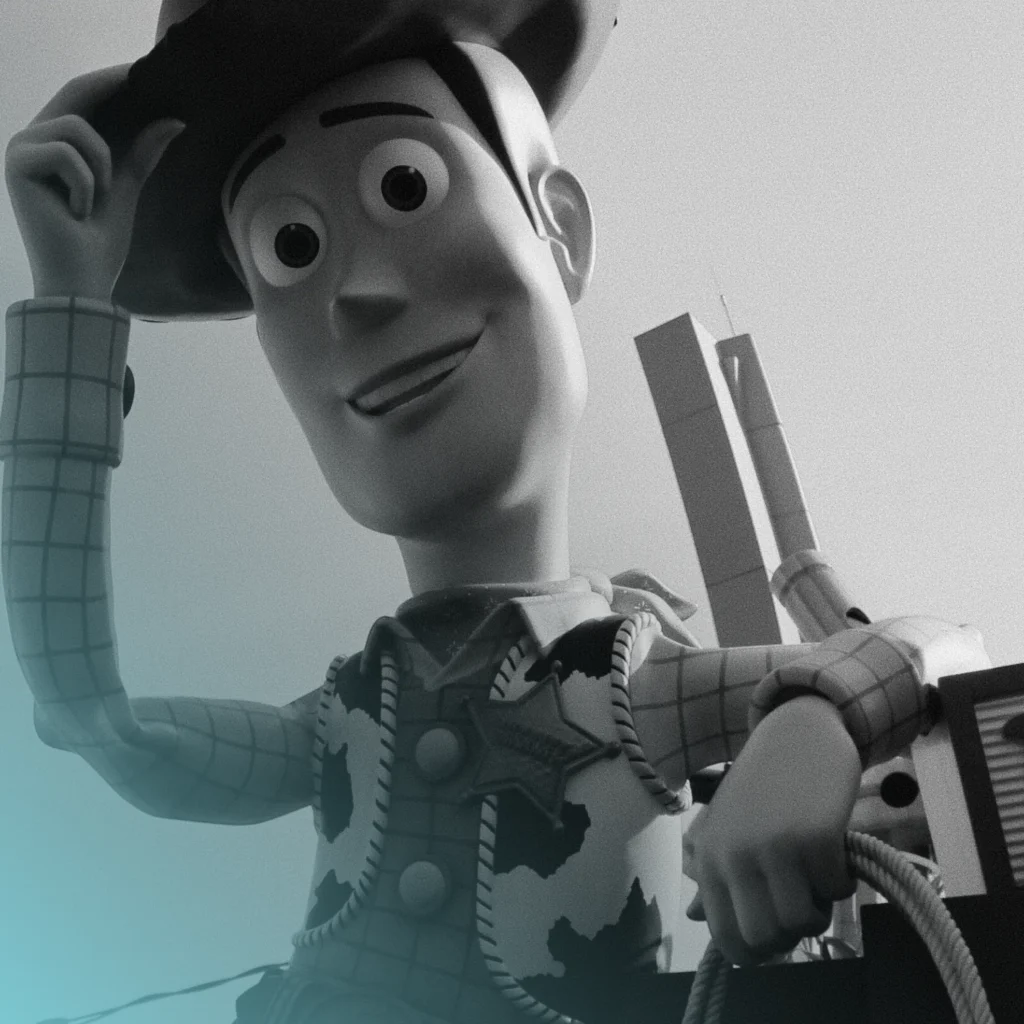
To Infinity and Beyond!
Like us humans, toys, tools, and machines have a purpose. They must fulfill that purpose; otherwise, they become sad and heartbroken. This is the idea that led Pixar to create a 20th-century masterpiece that changed animation and filmmaking forever, a beautiful blend of art and technology.
The Research Process
The research process of this episode was really fun and interesting. There was a lot to cover, and it took about three weeks. It follows a structure for my stories that includes both narration and scenes; this episode is mostly narration with the key points written as scenes. As it is crucial to me that the episode is informative, when I started the podcast I said that as much as it will be entertaining and truly going back to those times with my listeners, they also have to learn accurate facts and how everything happened. Everything mentioned, including the scenes, happened as they did, but not word for word.
I’ve read two different books: Creativity, Inc. by Ed Catmull with Amy Wallace, and the Steve Jobs biography by Walter Isaacson. I could not have written this story without these two amazing books.
Besides the books, I watched hours and hours of interviews, keynotes, and events featuring Ed Catmull, John Lasseter, Steve Jobs, Pete Docter, Andrew Stanton, and many other Pixar veterans. As I stated in the previous episode, I avoid watching videos or listening to podcast episodes about the subject by other creators. It is not because they are not good; they are great. However, I want to tell my story without being influenced by the conclusions of other creators and simply rewriting what has already been written.
Things mentioned in the episode
To emphasize the importance of believing in your dreams and doing everything you can to achieve them, the lyrics of “When You Wish Upon a Star” are mentioned. This song was written by Leigh Harline and Ned Washington and sung by Cliff Edwards. It is an amazing Disney classic written for the animated film Pinocchio in 1940. The song even became part of the Disney logo; the magical music you hear at the start of any Disney film is the intro of that song.
When you wish upon a star
Makes no difference who you are
Anything your heart desires
Will come to you

If your heart is in your dream
No request is too extreme
When you wish upon a star
As dreamers do
Mike Wazowski is my favorite character in the Pixar universe. He is a monster appearing in both Monsters, Inc. and Monsters University.
In This Episode
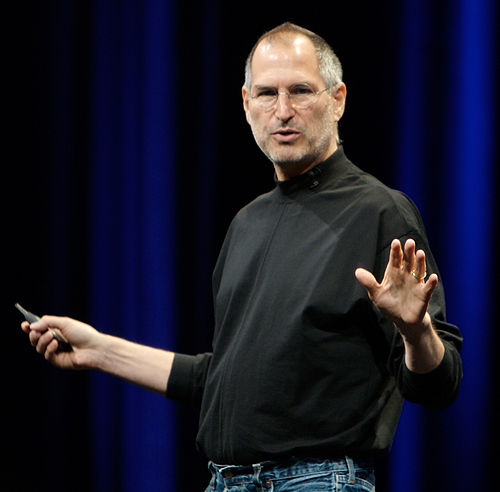
Steve Jobs
Pixar CEO.
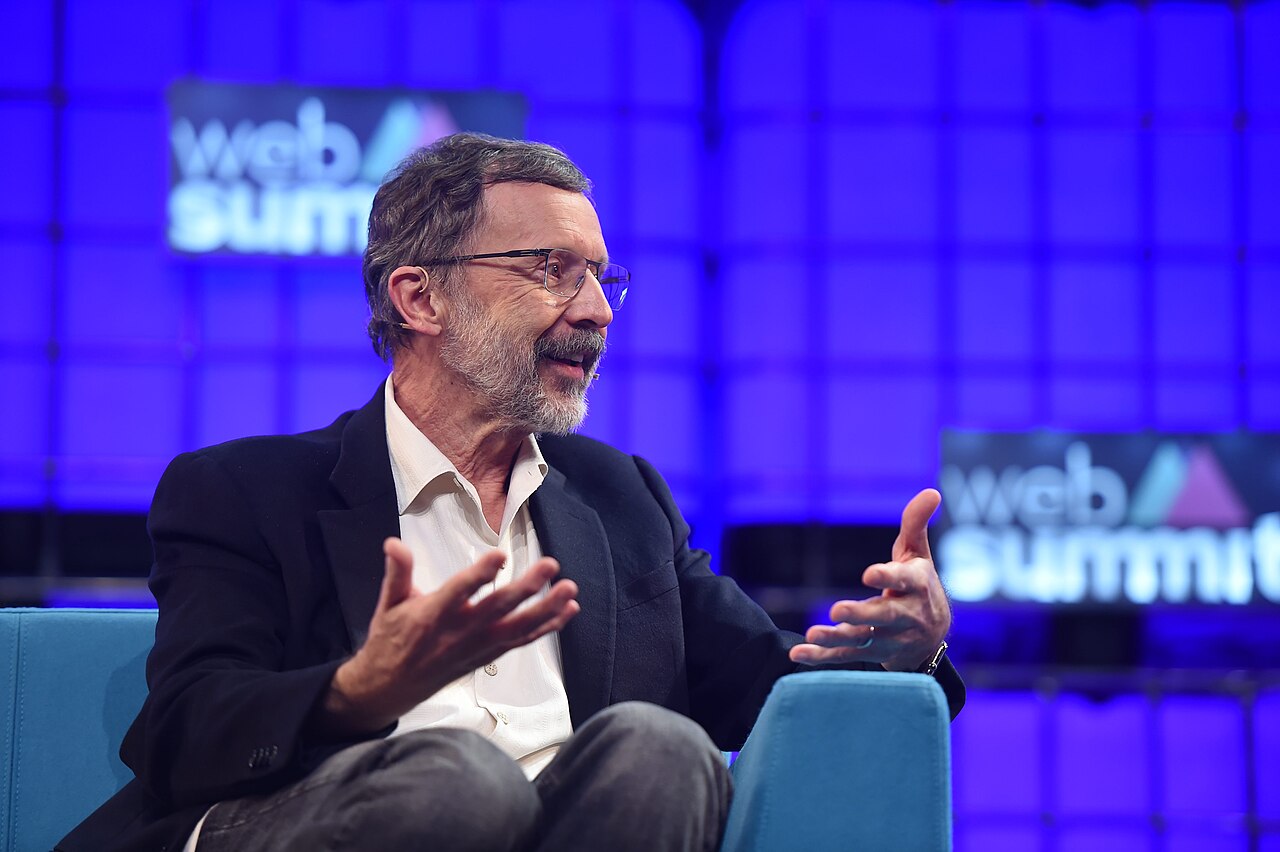
Edwin Catmull
Pixar President.
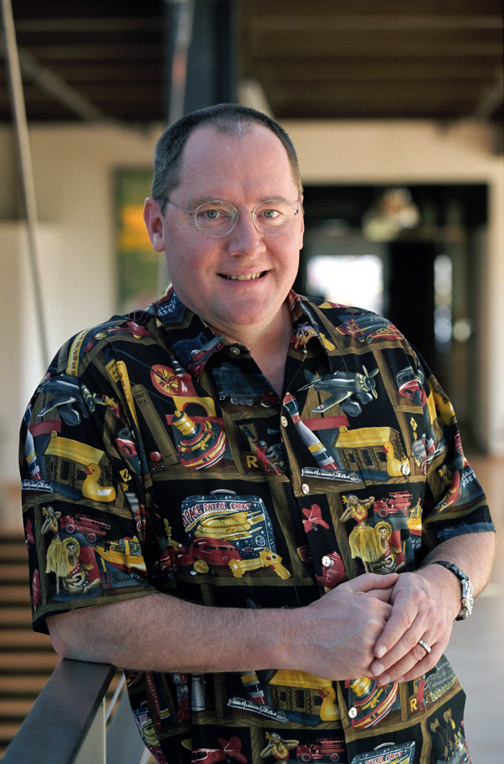
John Lasseter
Toy Story Director.
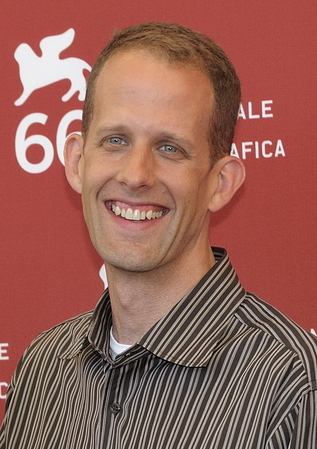
Pete Docter
Story Artist & Animator.
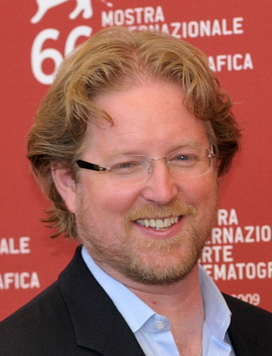
Andrew Stanton
Toy Story Co-writer.

Joe Ranft
Pixar Head of Story.
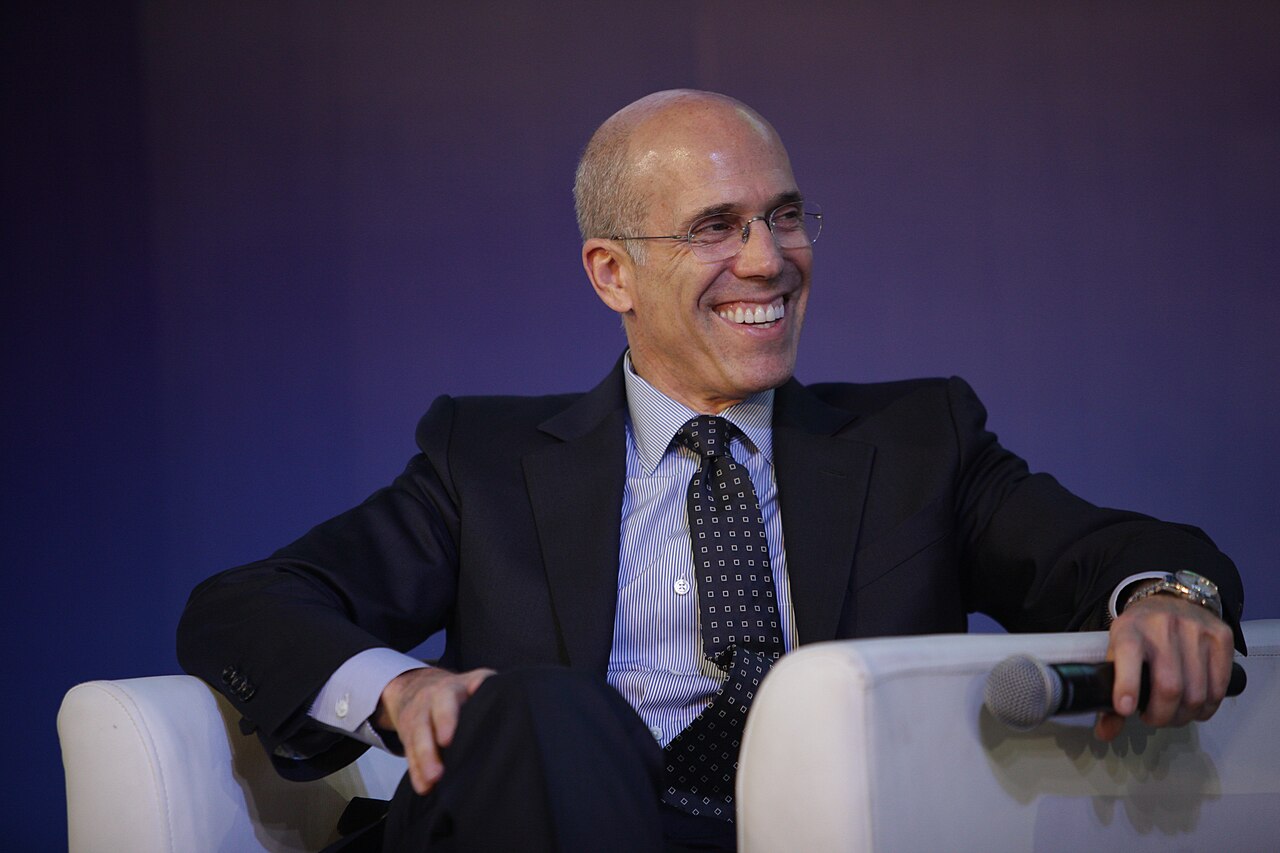
Jeffrey Katzenberg
Disney Studios Chairman.
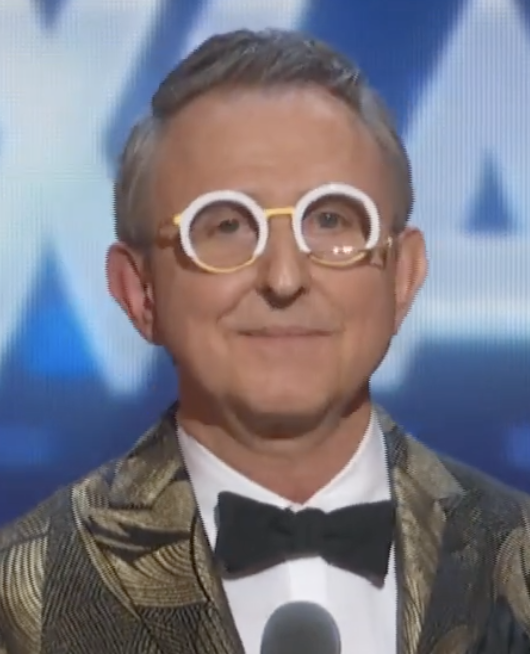
Thomas Schumacher
Disney Animation Executive.
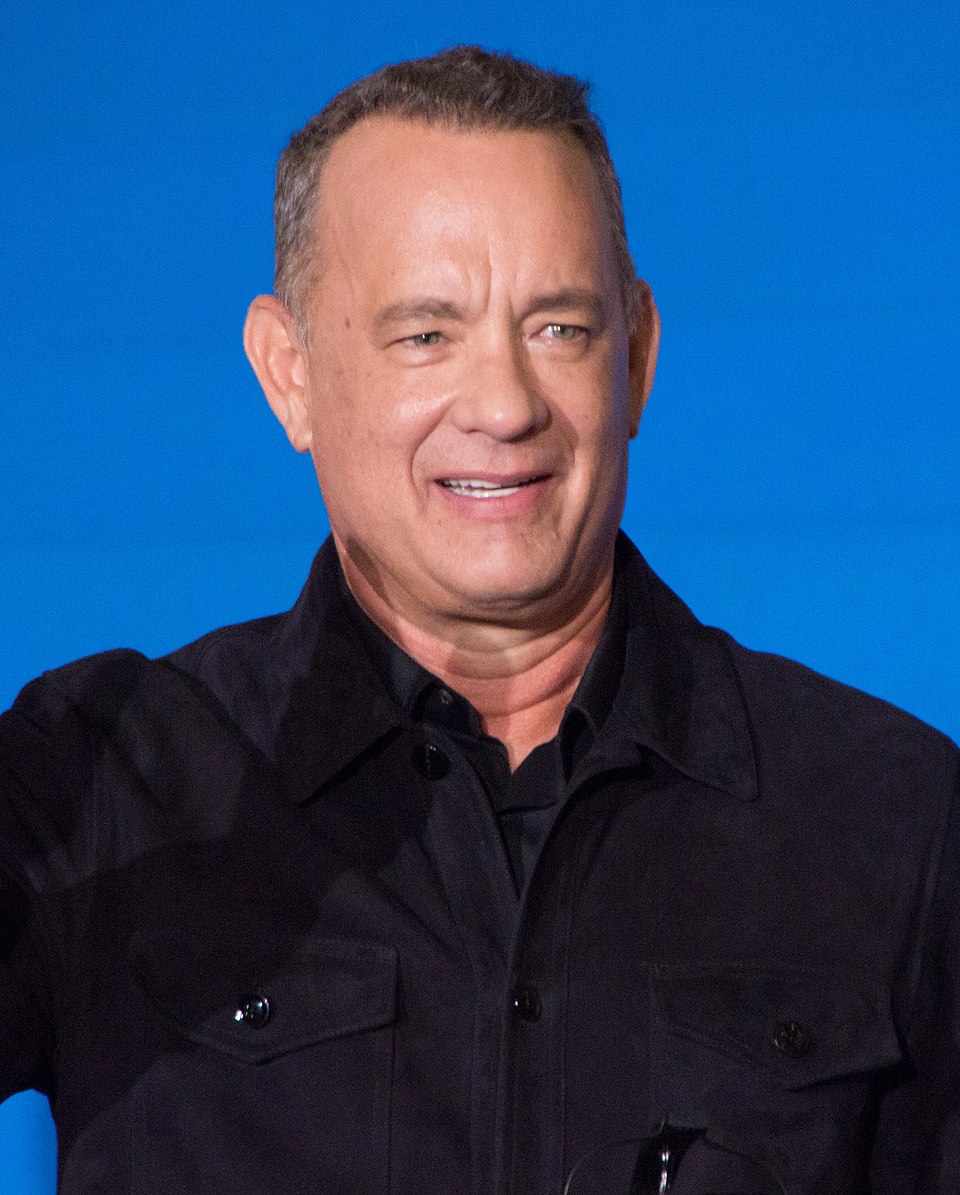
Tom Hanks
Voice of Woody.
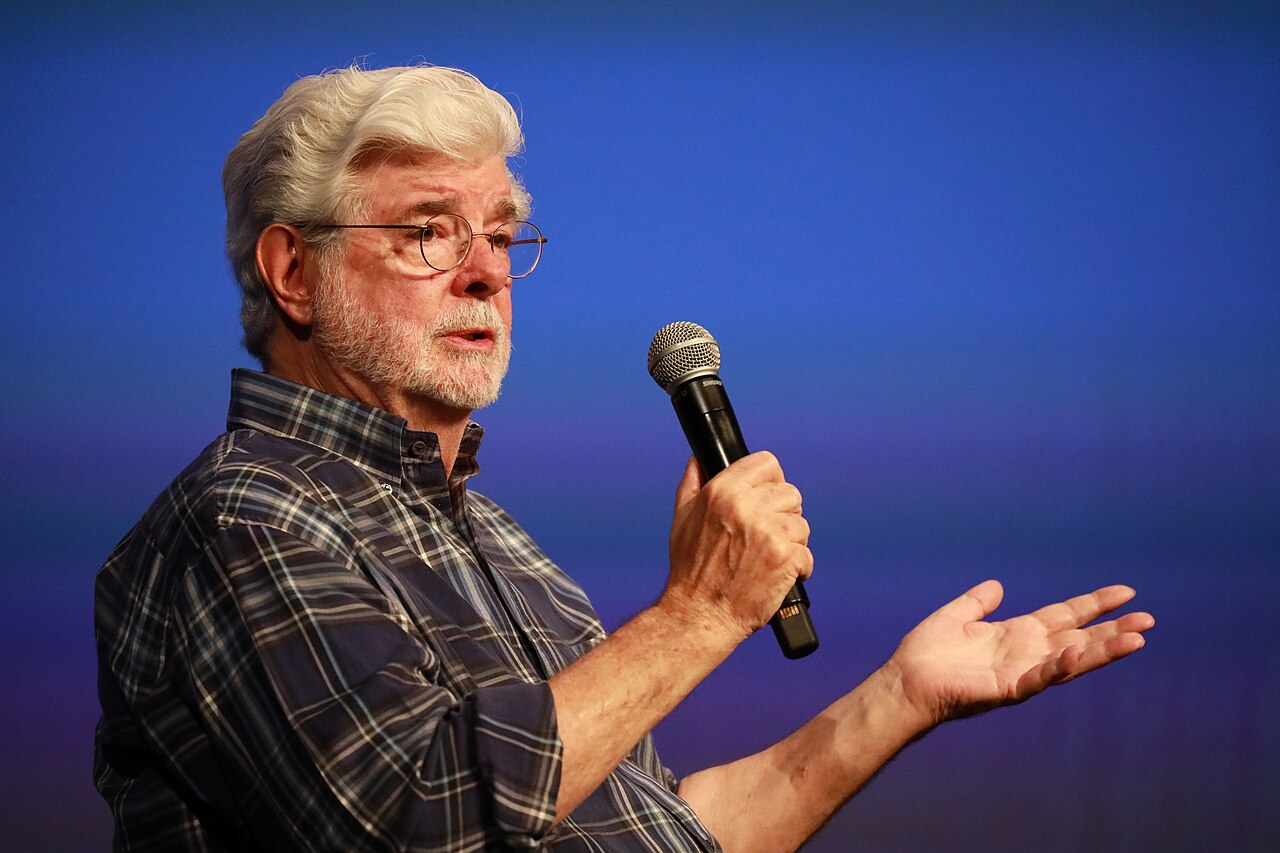
George Lucas
Lucasfilm Founder.
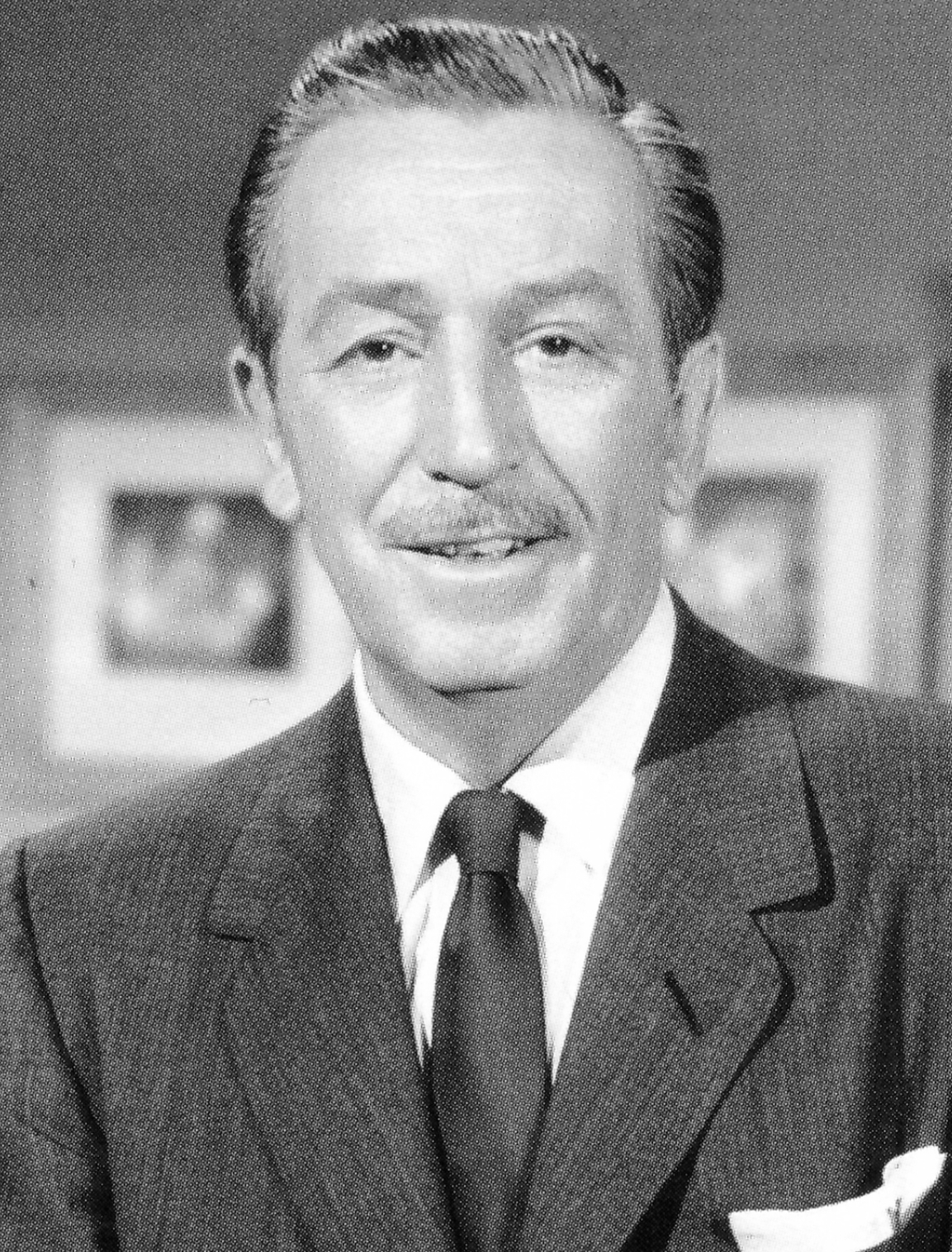
Walt Disney
The legendary founder.
Production
I recorded this episode over two days in my home studio using an Audio-Technica AT2040 microphone and a Focusrite Scarlett Solo. My DAW of choice is Logic Pro. The episode was recorded, produced, mixed, and mastered entirely within Logic. The project contains 66 tracks.

Transcript
November 19, 1993. Late autumn is closing in. John Lasseter and the Pixar team have finished half of Toy Story. At Disney Studios in Burbank, California, they’re showing it to Disney’s executives. What’s being screened now is the result of two years of work. Two hard years, without rest. Today is a critical day. Because Pixar is on the edge of failure and collapse. Their only hope of survival is making this film and working with Disney. So now they watch the film. The Pixar team is extremely nervous. It’s unclear whether the Disney executives like what they’re seeing or not. So the film ends. The Disney team looks at each other. What must they be thinking? Finally, Jeffrey Katzenberg speaks. “Honestly, what is this terrible, meaningless film? Shut down production right now.” This means Pixar is dead. Unless… we can do something to save it.
This is the story of making Toy Story. I’m Rebeen Sarbast. Come, I’ll take you back.
We as humans long to give love. But because our love languages are different, each of us expresses it in our own way. I want to be a good friend. So I give my love to make sure my friend doesn’t feel lonely. You want to be a good spouse. So you give your love to make your partner feel peace and happiness. They want to be a good teacher. So they give their love to give their students the most beautiful moments at school. But when we can’t give love, we can’t live a meaningful life. We must feel the purpose we’re meant for. That’s what gives meaning to our lives.
John Lasseter has a similar idea. But in the world of toys. He says just like us humans, toys, tools, and machines have a purpose. And they must fulfill that purpose. Ovens must bake delicious cakes and pastries. Cars must take us where we want to go. And toys must be played with. They must bring joy to the child who owns them. Take them to different worlds. Extraordinary adventures. To mountaintops. To the moon and distant planets. But they become sad and heartbroken when the child no longer wants them and doesn’t want to play with them anymore.
It’s now the early 1990s. Everyone at Pixar is working day and night to make a computer-animated feature film. This is just a dream. A dream that only Pixar believes in. Can it become reality? No one except Pixar thinks computers can be used to make films. But how to make that dream real isn’t the only thing standing in our way. We have an even bigger problem. Pixar is in a terrible financial situation. We no longer know how we can continue. We must find a solution as soon as possible. Otherwise, Pixar is finished. And with it, all our dreams. Can John Lasseter’s idea take us somewhere?
Spring 1991. Exactly five years before now. In February 1986, Steve Jobs bought the computer division of George Lucas’s company, along with a commitment of financial support to keep it going. That day, Pixar was born. But today, five years later, Steve has spent far more than planned. Let’s not forget, from his own pocket. Steve has extraordinary belief in Pixar and its team. In just Pixar’s first two years, two short films by John Lasseter, Luxo Jr. and Tin Toy, were nominated for Academy Awards, and Tin Toy actually won. Over the past five years, the Pixar team hasn’t only worked on making films. They’ve tried several business models. Attempting to sell Pixar computers. Developing their software. Making commercials. In a way, we can say John Lasseter’s short films were to showcase the capabilities of Pixar’s hardware and software. Steve has deep love for Pixar, he knows what he’s seeing could change the world of filmmaking forever. But we’ve now reached a dangerous point. Steve has been out of Apple for six years. His other company, NeXT, isn’t successful. Everyone is asking him to sell Pixar. Even though he could do that, he keeps refusing. Steve can’t give up on Pixar. A studio that has embraced art and technology. Brought together great artists and engineers. Could you give that up?
We’re approaching May 1991. A spring morning. Soft sunlight paints Burbank, California, with a charming beauty. With Steve Jobs, John Lasseter, Ed Catmull, and a few others from the Pixar team, we’re heading to Walt Disney Studios. Jeffrey Katzenberg, head of Disney’s motion picture division, has invited us. Walking through Walt Disney Studios is like dreaming. Disney has been in this place for fifty years. All the beautiful memories and fantasies of our childhood were born here. No matter how old we are, the buildings and gardens bear the symbols of beauty and the characters of Disney’s world. These worlds shaped the childhoods of several generations. These characters became every child’s best friend. A walk through Walt Disney Studios fills your heart and takes you back to your childhood. We’re going to the Team Disney building. Giant statues of the Seven Dwarfs hold up the roof of the building. Let’s go inside and head to the meeting hall.
So here we are from the Pixar team, sitting with Jeffrey Katzenberg and the Disney team at a long, dark wood conference table. We’re not expecting an easy conversation. Because Jobs and Katzenberg both have huge reputations for being tough and demanding. Both must get what they want. But what makes us a bit uneasy is the state of Pixar. As much as Pixar needs a partnership with Disney, Disney doesn’t need it that much. Disney has a license to use CAPS, Pixar’s computer animation production system. Two years ago, CAPS was used in a scene from The Little Mermaid. The film’s massive success sparked in a new golden age of animation. Jeffrey Katzenberg says, “We want ownership rights to Pixar’s technology. We want to make 3D animation ourselves.” What Katzenberg is asking for is non-negotiable to Steve Jobs. Steve says, “We want to make a film together. Pixar will make a computer-animated feature film for Disney. We’ll co-own the film and the characters.” Katzenberg forces a fake smile, as if he’s mocking Steve and Pixar. He says, “If these are your demands, then this meeting is over. You can leave.” But Steve doesn’t get angry. He remains firm on his demands. Let’s see where this meeting goes.
In reality, Katzenberg doesn’t care about Pixar and its team. He doesn’t even care whether he reaches an agreement with them or not. Only one person matters to him: John Lasseter. And the funny thing is, John was a Disney animator before Pixar. He had an extraordinary passion for using computers. He wouldn’t stop proposing the idea of making a computer-animated film. It was because of that exact stubbornness that he was fired from Disney. John is a talented artist and storyteller. He, like hundreds of other children around the world, fell under the spell of Walt Disney’s powerful stories. He believes people can achieve whatever they dream of. But there’s a catch. You have to believe in that dream from the bottom of your heart, and do absolutely everything you can to make it real. John graduated from CalArts, the California Institute of the Arts, the great institute founded by Walt Disney himself. Back in 1983, when a group of Disney animators visited George Lucas’s studios, John went with them. Unlike everyone else, he completely fell in love with the computer division’s work. In late 1983, when Ed Catmull learned that John was no longer at Disney, he immediately invited him to work in his division. Now that John has been nominated for two Academy Awards, and won one, Katzenberg has wanted to bring him back to Disney for a long time. But John always gives the same answer: he will never leave Steve Jobs and Pixar.
It doesn’t happen often in history for a team like Pixar to come together. A team that shares the exact same dream, working tirelessly, hand in hand, to make it real. But this team wouldn’t exist without Ed Catmull. Ed Catmull is a brilliant computer scientist. He is the president of Pixar. Since childhood, Ed has been fascinated by two very different figures: Albert Einstein, and Walt Disney. His love for Einstein is what drove him to become a great computer scientist. But his deep love for Walt Disney is what fueled his imagination. Especially when Disney’s shows came on television. In Ed’s mind, the great Walt Disney would step right out of the TV, walk into their living room, take his hand, and lead him into the beautiful, endless worlds of Disney. Ed Catmull’s fascination with the magic of Disney, combined with his fascination for the power of computers, planted a grand dream in his heart: making a computer-animated feature film. Even though making this dream a reality seemed impossible. The computers just didn’t have the power, and no one on earth knew how to actually do it. But Walt Disney always told us that impossible dreams can come true. When you wish upon a star, makes no difference who you are. Anything your heart desires, will come to you.
Month after month of meetings. Conversation after conversation. Finally, Steve Jobs and Jeffrey Katzenberg reach an agreement. Disney and Pixar become partners. Pixar will make three feature films for Disney. But Disney alone owns the films and characters, without ownership of Pixar’s software and tools. In return, Disney shares a small portion of the box office revenue with Pixar. Even though Disney can walk away from this deal whenever they want, or make just the first film and then abandon Pixar. But this is a huge opportunity for Pixar. Now it’s time for John Lasseter and his team to shine.
After months of writing the story, hundreds of revisions, rewrites, we finally meet Andy. A boy who has great love for his toys. But the story is from the toys’ perspective. Andy’s favorite toy is a cowboy named Woody. And Woody loves Andy just as much. Woody’s anxiety begins on Andy’s birthday. Because Andy receives an extraordinary gift. A new and popular toy that every child is eager to have. A space ranger. Buzz Lightyear. Even though the story is about the daily life of toys, John Lasseter knows it doesn’t matter who your story’s hero is. The audience must go deep into the character’s emotions. We must see what the character learns throughout the entire journey. Even though the character isn’t flawless, we must love them. Laugh with them. Cry with them. Shout from within ourselves: No, Woody, don’t do that. Our story begins with a natural fear, a fear every human feels. The fear of losing someone we love. The fear of being set aside, abandoned, and finally forgotten.
Apart from Pixar, no one else has the same dream. No one has done this work before. The answers to our questions don’t exist anywhere. What we’re working on belongs to Pixar. The computers. The software. The story. The characters. Everything is created at Pixar. But how can you blend art and technology? How do talented engineers and great artists embrace their complex worlds? Woody is just an idea. From that idea, he comes onto a page. Let’s not forget, animation is an extremely complex task. Very expensive. We must avoid the smallest mistake. So what do we do? First, we must see the film on paper. Put the pages together. Add the dialogue on top. The music and effects. Then sit down with our friends Pete Docter, Andrew Stanton, Joe Ranft, and watch. We must fix the mistakes here. Here we decide whether we’ve written a great story or not. You might say, why must we do this? Why can’t we make mistakes later? Let me tell you why. When you watch Woody, you forget that Woody is just a puppet. Because he shows all emotions just like us. You know why? Because Woody has 723 animation control points throughout his body. 212 points are on his face. 58 points just on his mouth. And if we talk about the complexity of the scenes, let me just tell you about the trees. Every tree in Andy’s neighborhood has nearly 10,000 leaves. All the trees together have over 1 million leaves. Just think about the complexity of that task. How skilled our animators must be. How many hours, days, and weeks it takes to create one scene. And let’s not forget, the technology at our disposal is completely limited.
November 19, 1993. It’s time for the difficult meeting. We’re all filled with fear and anxiety. At Disney Studios in Burbank, California, Jeffrey Katzenberg’s anger shook everyone. In reality, John Lasseter and his team felt ashamed watching the film. But how is the film’s outcome Pixar’s fault? Over the past two years, all we did was listen to Katzenberg’s notes. We revised and rewrote the story hundreds of times. The characters’ personalities. The plot. The emotions. Everything changed multiple times. Yet Katzenberg says shut down production? Katzenberg turns to Tom Schumacher, one of Disney’s executives. He says, “What do you think? Why is this film so terrible?” Tom says, “Jeffrey, it’s because this is no longer Pixar’s film. For months now, they’ve been listening to your notes. The story is completely not theirs anymore.”
Over the past two years, Katzenberg didn’t let the Pixar team work freely, didn’t let them write the story they wanted. He said Woody must be edgy. After several months, Woody had become an unbearable character, full of jealousy, to the point that even Pixar’s writers and animators hated him. Even on one voice recording day for Woody, Tom Hanks said, “This guy is a jerk.” Even though Disney demanded in the meeting that production be shut down, John Lasseter asked for one more chance. But this time, everything must be Pixar’s way. Meaning they won’t take any notes from Disney. Steve Jobs, unlike at Apple and NeXT, doesn’t interfere with John Lasseter and Ed Catmull’s work. He says he has complete faith in their talents and abilities. But now that Disney has stopped production, once again Steve shoulders the production costs himself. Three months have passed since that meeting. The Pixar team has rewritten the story. Woody transforms from an edgy, mean character into a kind-hearted one. With the other toys, he’s like a wise friend and leader. His jealousy of Buzz is natural. A fresh story from the minds of Pixar’s great artists. Katzenberg and the Disney team are satisfied. So production begins again.
As we approach the final stages of production, the person most eager is Steve Jobs. No one knows how many times, from beginning to end, he’s watched every version of the film. He invites friends and family members to his home, telling them to watch this progress in the film. Some of his friends are honestly tired of watching the film hundreds of times. What Pixar has created, no matter how you look at it, given the capabilities computers and software have in these years, is impossible. But John Lasseter and his team have a belief. They say it doesn’t matter how grand a film’s visuals and animations are. It doesn’t matter how technically complex the film is. All the technology in the world can’t help a weak story. But when we write a great story, that’s when technology comes and makes dreams reality.
November 1995. Families gather for Thanksgiving. Preparing delicious food. Creating memories and beautiful moments. But this year’s Thanksgiving holiday is different. A new film is showing in theaters. Nothing like this has been seen before. A film made entirely by computer. We all know what Disney is. We’re familiar with its diverse worlds. But what is Pixar? What does a computer-animated film mean? Everyone is talking about it. Television. Radio and newspapers. Families and friends head to the theaters to see Toy Story. What’s better than a family film? An extraordinary memory for parents and siblings. The theaters are completely packed. Attendees buy popcorn and snacks. So this family happily enters the screening hall. Mother and father and their two sweet children. The film begins. For 79 minutes, the audience can’t believe their eyes. What are we seeing on the screen? Who is Pixar and how did they create such a masterpiece? How does it fill our hearts and make us feel like we’re in the world of toys? The parents we mentioned are in their forties. The father is completely captivated by Woody’s story and character. We too are captivated by Woody’s story. We humans also fear losing our loved ones. We fear new people will come and take our place. That the person we love will no longer care about us. We become jealous when we know someone new exists. The mother’s heart is full and she’s captivated by Buzz Lightyear’s story. We are too. Because many times in our lives, we’ve lost our identity. We’ve been lost before and will be lost again. We don’t know why we should keep going. What we thought gave meaning to our lives no longer exists. The family’s older son is 15 years old. He’s completely immersed in the story of the toys’ friendship. How they work together as a team. How they all, for one goal—playing with each other and Andy—enjoy every moment. How each one, to help the others, must cross all boundaries. The family’s little daughter is 7 years old. She’s captivated by the world of toys. She laughs and feels sad. But certainly she wants one thing: a Woody and Buzz Lightyear doll to play with.
This is the magic Pixar created. How you write a story. How you make a film that all ages enjoy. Yet even members of the same family see their own version of the scenes and messages. Today we’ve gone back more than 30 years. We remember our lives with Pixar. The studio that made all our childhoods more beautiful. Gave us new meaning. Brought so many lovely characters into our lives. For example, my favorite character, Mike Wazowski.
Thank you, Pixar, for inspiring us to dream big and teaching us hundreds of new lessons. A car teaches us to let go of arrogance, opening our hearts and minds for learning and respecting our elders. A group of toys teaches us we lose those we love, but we don’t become sad. Instead, we’re happy that we were able to love and create beautiful memories. A sweet boy teaches us that just as there is life, there is also an end. But our loved ones don’t leave us if we don’t forget them. A talented jazz artist, after returning to life, tells us it doesn’t matter what you do, but enjoy every moment and live fully.
Come, I’ll take you back is written and produced by Rebeen Sarbast. Thank you for listening. Until next time.
Rights and Credits
Everything in the episode is either original or I have the right to use it. This includes sound effects, music, and all other materials.
Woody: Giant Woody statue at Toy Story Land, Hong Kong Disneyland. Original photo by Deror_avi, modified with black and white filter and a touch of teal gradient overlay. Licensed under CC BY-SA 3.0.
Steve Jobs (2007): Jobs at the Apple Worldwide Developers Conference (2007). Original photo by Ben Stanfield, modified with black and white filter. Licensed under CC BY-SA 2.0.
Edwin Catmull: Catmull at the Web Summit (2015). Original photo by Cody Glenn / SPORTSFILE / Web Summit, modified with black and white filter. Licensed under CC BY 2.0.
John Lasseter: Lasseter (2002). Original photo by Eric Charbonneau, modified with black and white filter. Licensed under CC BY-SA 3.0.

Pete Docter: Docter at the 66th Venice International Film Festival (2009). Original photo by Nicolas Genin, modified with black and white filter. Licensed under CC BY-SA 2.0.
Andrew Stanton: Stanton at the 66th Venice International Film Festival (2009). Original photo by Nicolas Genin, modified with black and white filter. Licensed under CC BY-SA 2.0.
Jeffrey Katzenberg: Katzenberg at the World Travel & Tourism Council Global Summit (2014). Original photo by World Travel & Tourism Council, modified with black and white filter. Licensed under CC BY 2.0.
Thomas Schumacher: Schumacher speaking at the Tony Awards (2019). Original screenshot by The Tony Awards, modified with black and white filter. Licensed under CC BY 3.0.
Tom Hanks: Hanks at the Sully Japan Premiere (2016). Original photo by Dick Thomas Johnson, modified with black and white filter. Licensed under CC BY-SA 2.5.

George Lucas: Lucas at the Cannes Film Festival (2024). Original photo by Kevin Payravi, modified with black and white filter. Licensed under CC BY-SA 4.0.
Walt Disney: Disney (1956). Original photo by unknown author, modified with black and white filter. This image is in the Public Domain.
