
The computer for the rest of us
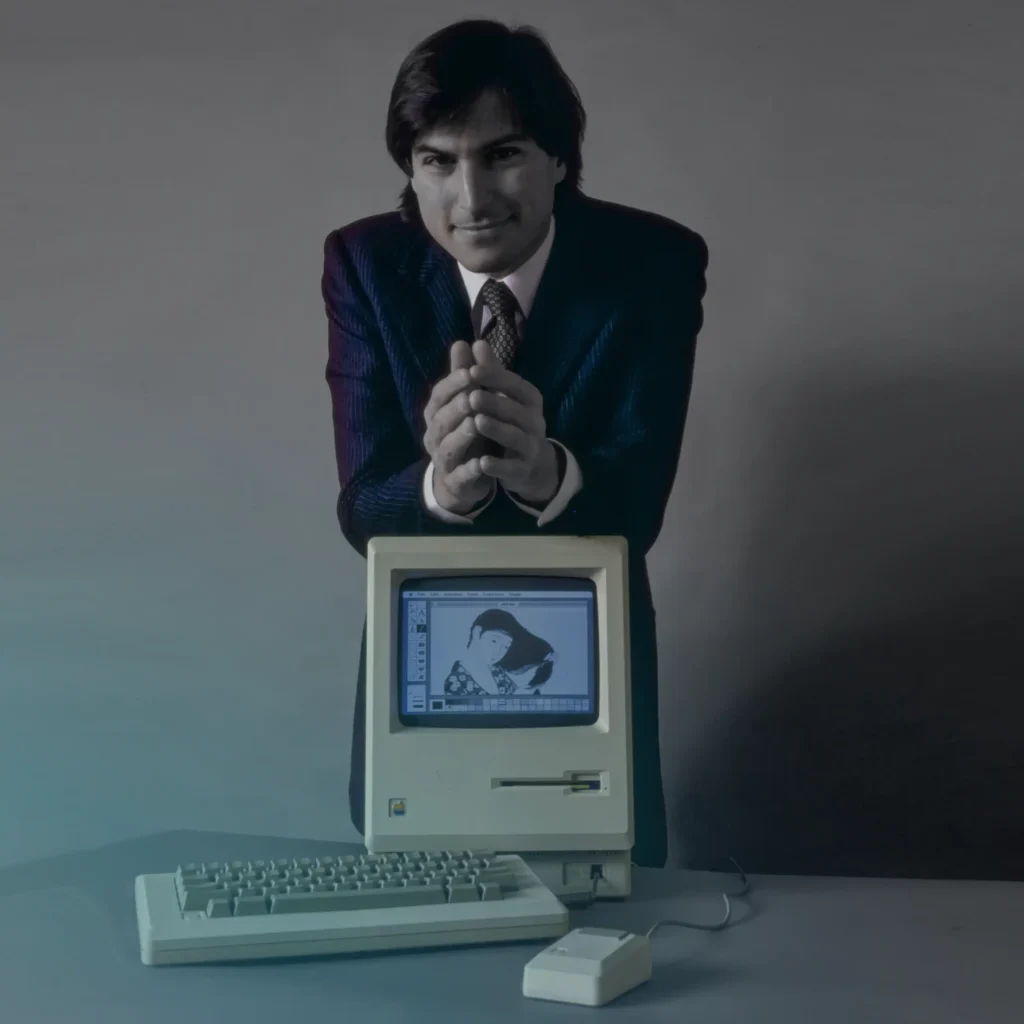
When Apple unveiled the Macintosh on January 24, 1984, the idea of a personal computer was quite strange. A device you could purchase and use in your home was not a familiar concept. Computers were not known as tools for personal use. Almost no one except Steve Jobs believed they ever would be. For that reason, it was marketed as “The computer for the rest of us.” That day is marked as the moment that changed our lives forever.
The Research Process
Writing an immersive story like this requires a long time of research and many different sources of information. The research phase for this episode took about three weeks. The story is divided into two different narratives: the actual scenes and the narrations. Everything in the episode happened the way it is described, but there are two things to know.
First, the conversations may not have happened exactly as described. The characters did say those things, but not word for word. Second, in order for you to go back to those exact places, I had to set the scenes. For instance, there is no mention in the records that it rained when the Apple team visited XEROX PARC, but I added it to build a rich atmosphere. There is also no specific mention of Palo Alto being in a festive mood in December 1979. I wrote those things into the scenes so you can truly go back there. All these details are accurate to the time. People did walk on Fulton Street admiring Christmas decorations, but it is not part of the main historical record. I included it to bring the world to life.
This episode would not have been possible to write without the biography of Steve Jobs by Walter Isaacson. I want to express my gratitude to him for his work.
Alongside the biography, I watched a ton of interviews from Steve Jobs himself, John Sculley, Jef Raskin, and many other Macintosh engineers. These included interviews both related and unrelated to the Macintosh. I avoid videos from YouTube creators or podcasters who share their own conclusions or stories. It is not that they are not good or useful. They are great, but I want every part of the story to be mine without rewriting anything that has already been said.
Things mentioned in the episode
When Steve Jobs mentions that he wants to start the meeting with an old poem by Bob Dylan in the cold open, he means the lyrics of the song “The Times They Are A-Changin’.” Steve was a huge fan of Bob Dylan.
In this song, Bob Dylan calls upon different people, including writers, critics, senators, congressmen, and parents. He says times are changing. The new comes and the old must go. He tells them to accept that their time is going to pass. A new generation with new ideas and a new world view comes to replace the old. He tells them to be humble, to accept the change, and to open the way for those coming next. They may not understand this new generation, but these young people are going to do what they are about to do.
Steve focuses on this part:
Come writers and critics
Who prophesize with your pen
And keep your eyes wide
The chance won't come again
And don't speak too soon
For the wheel's still in spin
And there's no tellin' who
That it's namin'
For the loser now
Will be later to win
For the times they are a-changin'
When the Macintosh starts the presentation at the product event, the demonstration is accompanied by the “Chariots of Fire” music by the Greek composer Vangelis. He composed the score for the movie Chariots of Fire and won the Academy Award for Best Original Score in 1982.
The ad that Chiat/Day created for the Macintosh is inspired by George Orwell’s book, 1984. It was directed by Ridley Scott.
In This Episode
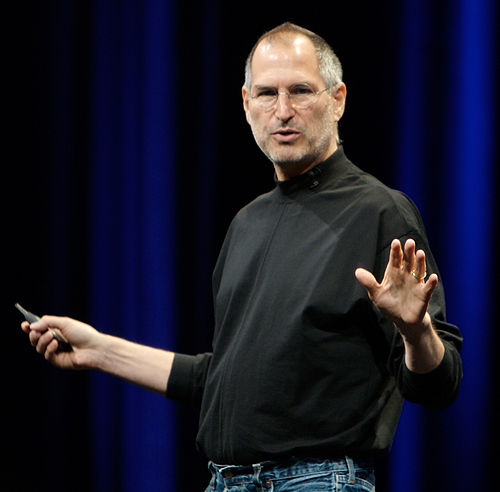
Steve Jobs
Project lead.
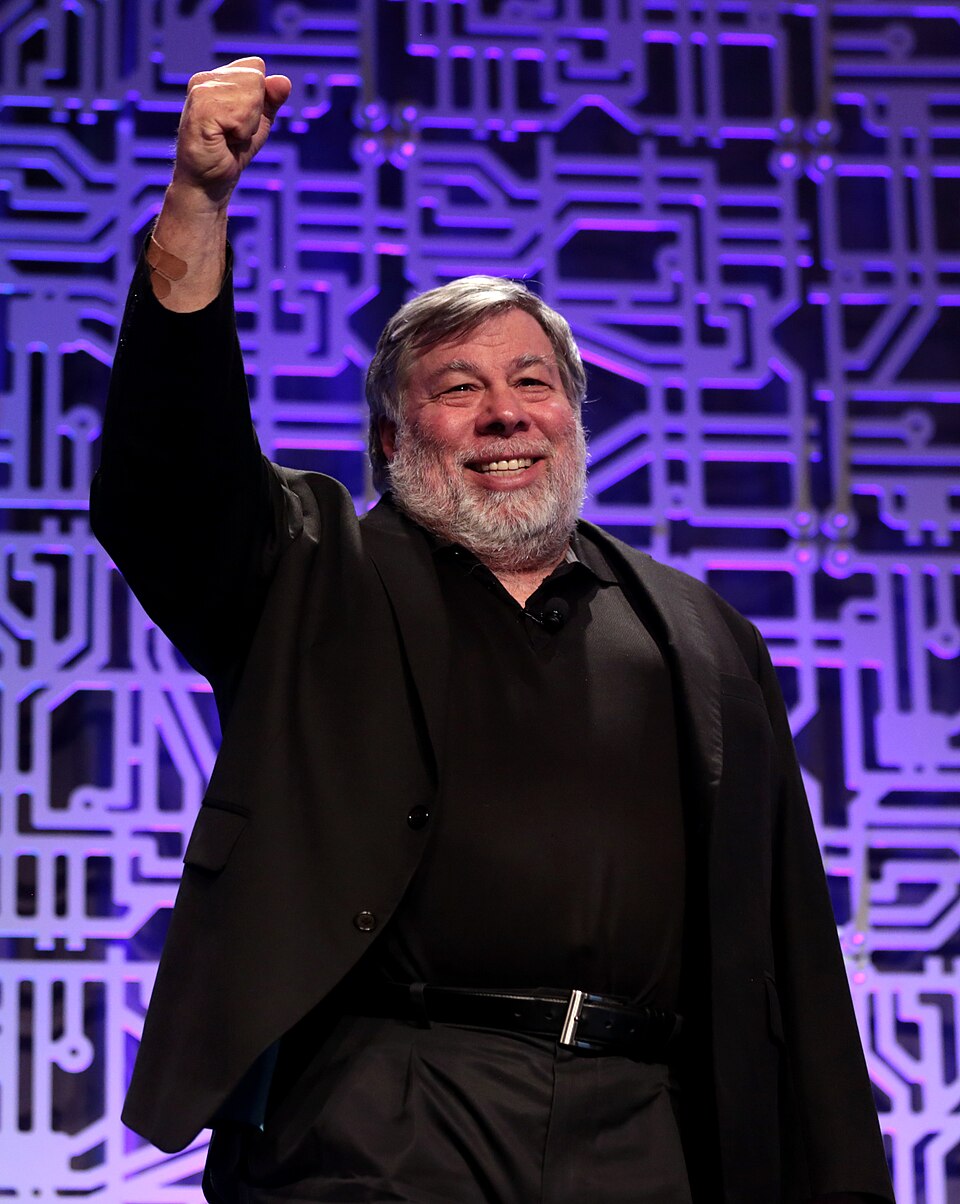
Steve Wozniak
Apple’s co-founder.
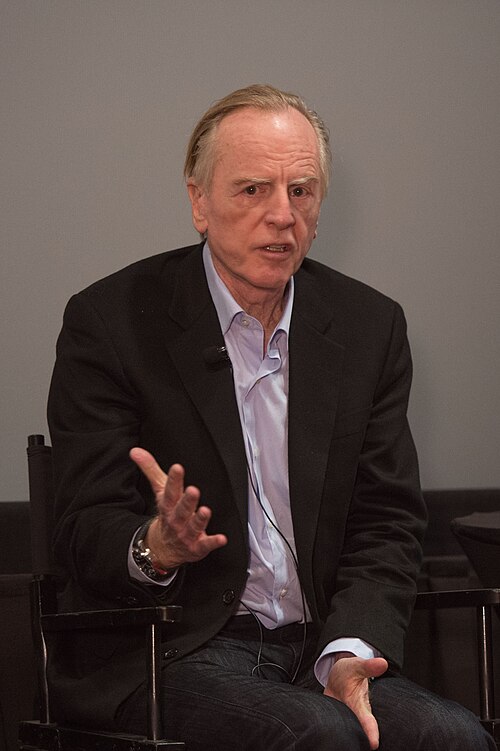
John Sculley
CEO of Apple.
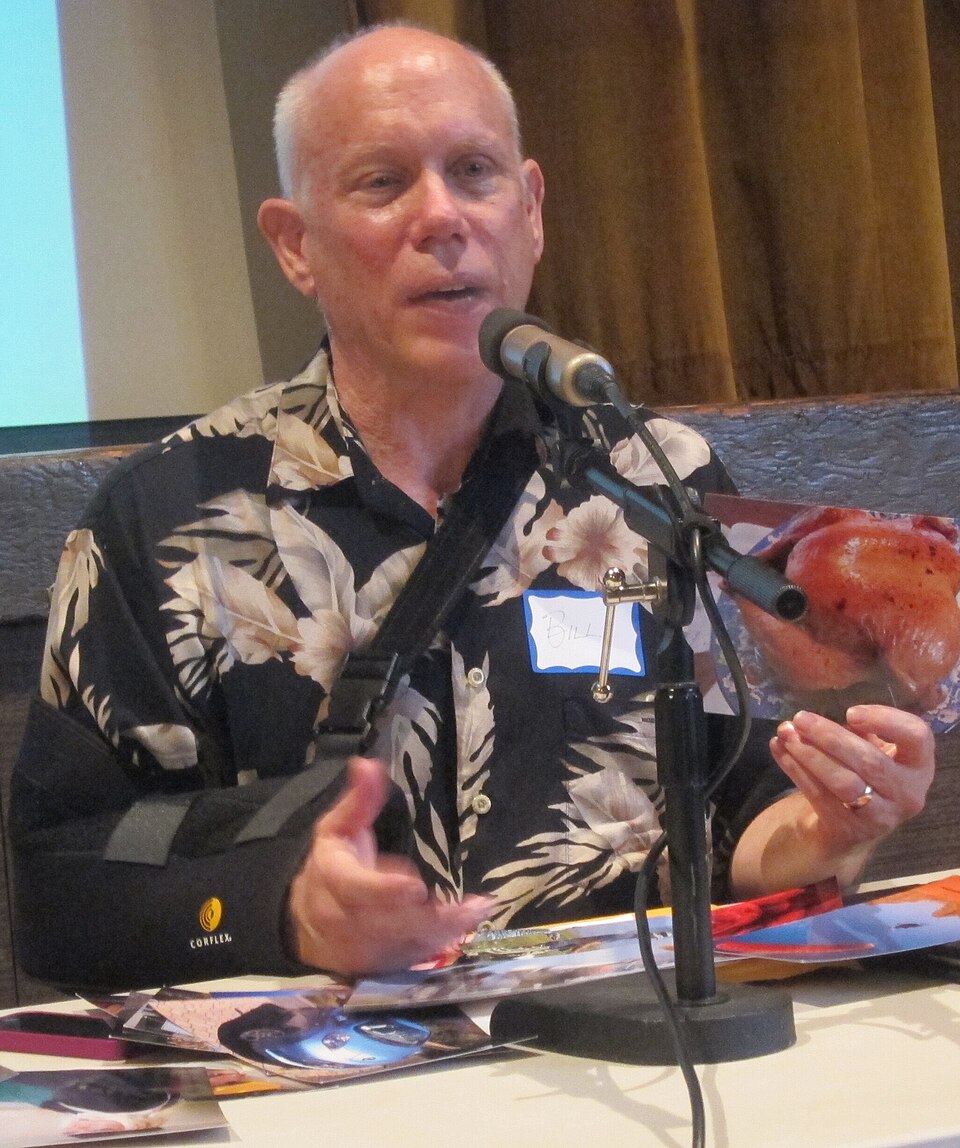
Bill Atkinson
Apple’s Engineer.
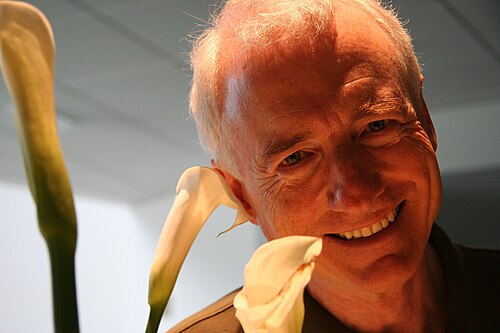
Larry Tesler
A scientist at Xerox.
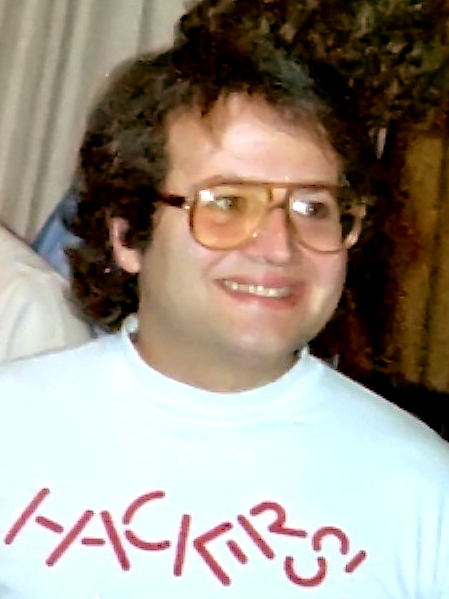
Andy Hertzfeld
Apple’s Engineer.
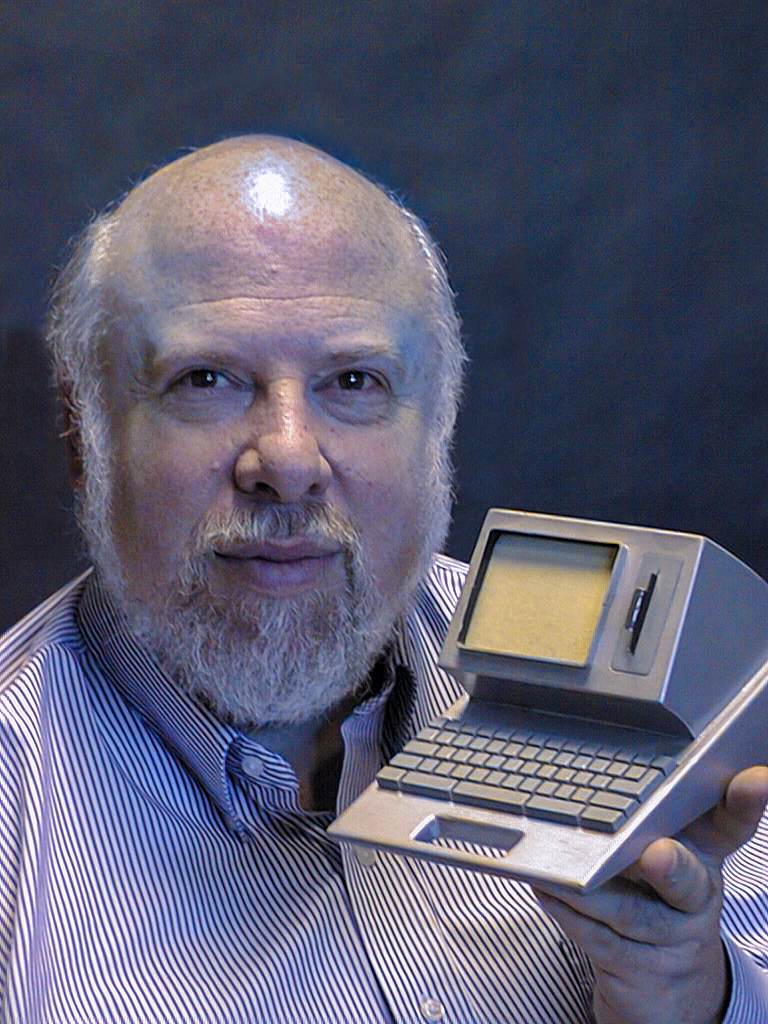
Jef Raskin
The original creator.

Larry Kenyon
Apple’s Engineer.
Bill Campbell
VP of Marketing.
Mike Markkula
Apple’s chairman
Mike Scott
Apple’s former president.
Paul Jobs
Steve’s father.
Clara Jobs
Steve’s mother.
Production
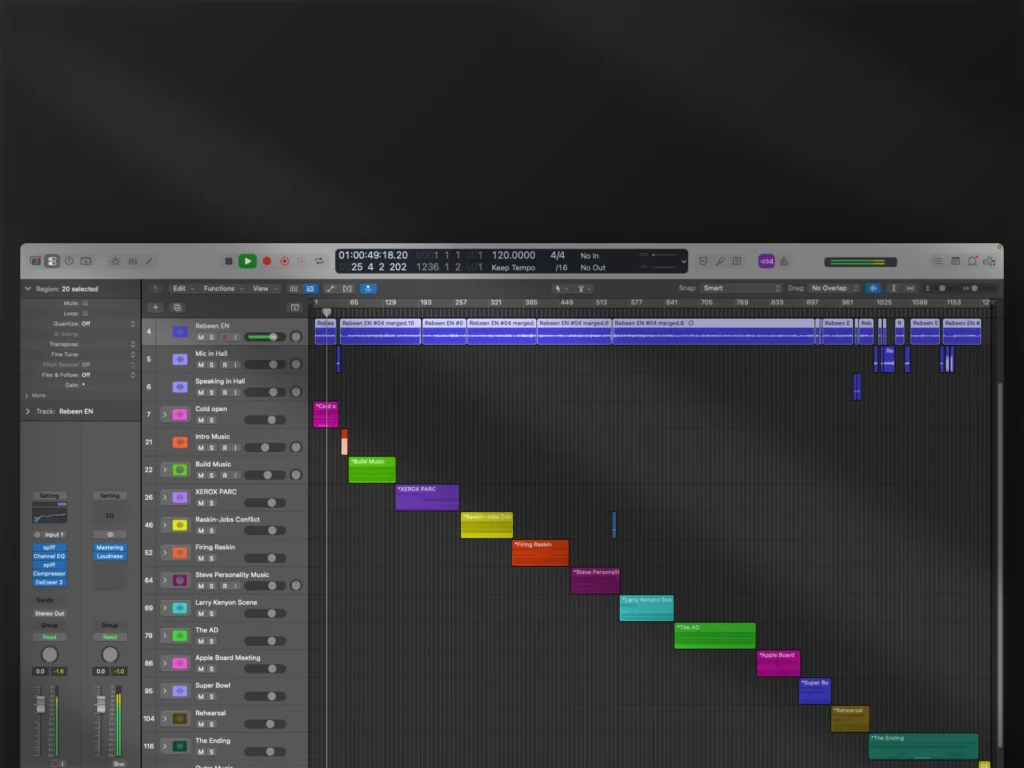
After the story writing is complete, the recording session begins. This episode was recorded over two days. The first day took around five hours, followed by a second day for revisions in a thirty minute session. I record in my home studio using an Audio-Technica AT2040 microphone and a Focusrite Scarlett Solo. My DAW of choice is Logic Pro. The episode was recorded, produced, mixed, and mastered entirely within Logic. The project contains 132 tracks.
Transcript
January 24th, 1984. A cold winter morning in Cupertino, California. 2,600 people wait anxiously in the De Anza College auditorium. There isn’t even a single seat left. The hall is shrouded in darkness. You can feel the electricity everywhere. You hear the sound of murmuring and laughter. The lights go completely dark. All attendees fall silent. They watch the stage. Today, everything changes. More than two years of work. Exhaustion. Heartbreak. Tears. Pain and failure. It all comes down to this moment. If today isn’t successful, the dreams will die. The exhaustion will be for nothing. But if it succeeds, the world will be changed forever. Steve Jobs walks onto the stage and the spotlight hits him. He’s greeted with thunderous applause. “Good morning, and welcome to Apple’s 1984 annual shareholders meeting. I’d like to open the meeting with an old poem by Bob Dylan.”
This is the story of making the Macintosh. I’m Rebeen Sarbast. Come, I’ll take you back.
It’s the late 1970s. Apple II is everywhere. Steve Jobs should be thrilled. But he’s not. Because everyone talks about Steve Wozniak’s genius, not his. Jobs doesn’t want an ordinary product. He wants a masterpiece that people will call Steve Jobs’. Or as he always says, a product that puts a dent in the universe.
As the 1980s dawn, he thinks the Apple III will be that product. But it fails. Then comes something more powerful: the Lisa. But it fails too. Lisa is a powerful computer, but it’s slow. Expensive. Or let me put it this way: it just isn’t worth it. This goes against everything Jobs believes in. The fusion of beautiful design, simplicity, and ease of use. But at a low cost.
Moore’s Law plays a critical role here. It tells us that roughly every two years, the number of transistors on a microchip doubles. So computers get faster and more powerful. But is now the time? Jobs knows the moment is close. But they have to create a product that will put a dent in the universe.
Computers are still expensive. Ugly. Complicated. Disc operating systems. Command-line interfaces on black screens. This isn’t the product Steve Jobs wants. He wants grand design. Everything in one machine. Something that will present itself like a work of art. From the outside in. From hardware to software. A computer for the rest of us.
Around the same time, in a small corner of Apple, something else is happening. But Jobs knows nothing about it. Jef Raskin is running this project. He wants to build a device for everyone. But this device isn’t like the others. Computer. Keyboard. Screen. Software. Graphical user interface. All in one product. What’s it called? Macintosh.
It’s a December morning in 1979. The air is cold and you can feel the drizzle. The city of Palo Alto is getting ready for Christmas. Families and friends walk along Fulton Street, admiring the decorated trees. The houses on this street are adorned with decorations and lights of all kinds in their gardens and front yards. The beautiful scene is enchanting. Even the Elizabeth Gamble Garden looks like something out of a dream. Its flowers and greenery are indescribable. But we’re with Steve Jobs and programmers Bill Atkinson and Bruce Horn. We’re heading to an important center in Palo Alto. We’ve been invited to see some innovations and features. They say the Xerox Palo Alto Research Center is where the future of computing is being built. But what must that future be? Because we still don’t know if what they’re going to show us is truly groundbreaking.
This isn’t the first time Steve Jobs has come here. Last time, the Xerox engineers hid a lot. But this time, they can’t. Let’s not forget, Bill Atkinson is with us. He knows exactly what to look for. We sit down as Larry Tesler begins his presentation. He’s one of the scientists at Xerox PARC. But again, this isn’t everything. Bill Atkinson and the team know this isn’t all there is. Jobs completely loses his patience. So he calls Xerox headquarters.
Some time passes. Everyone waits. Then the phone rings. This time they can’t hide anything. Xerox headquarters has decided that Steve Jobs will see everything. What we’re about to witness is a future we couldn’t have imagined. We’ve never seen a computer like this before. A graphical user interface that shows us a whole new world? The Xerox scientists have even given it the most compelling name: the desktop. They say it’s because it resembles your actual desk. Everything is beautifully arranged in one place. You see your documents and folders. You use what you need.
None of us can believe our eyes. Not Steve Jobs. Not Bill Atkinson. Not the Apple team. How is Xerox keeping an innovation this massive hidden? Why haven’t they turned it into the product that puts a dent in the universe? Steve Jobs can’t contain his excitement and amazement. Clearly, Xerox won’t do it. But Apple will.
Though not everyone would call this innovation. But Steve Jobs and his team can change the world. Something Xerox cannot do.
It’s now 1980. Steve Jobs is still overseeing Lisa. He meddles constantly. He behaves terribly with the engineers. Steve doesn’t know how to control his emotions. He might visit an engineer while they’re working and immediately tell them what they’ve done is s***. He constantly creates conflict. The managers and senior engineers on Lisa, those who came from HP, are fed up with Steve’s behavior. Until finally, in September 1980, Steve Jobs is completely removed from Lisa. The computer he named after his daughter. He’s also removed from his position as Vice President of Research and Development. Now he’s just a marketing figurehead. Steve is devastated. Can you be stripped of power in the company you built? Where will this situation lead?
Let’s turn now to Jef Raskin and the Macintosh team. They’re not in a good position either. Every few months there’s a decision to shut down the project. But Jef Raskin insists. He wants himself and his team to continue. Now that Steve Jobs has been removed from Lisa, he needs to find something. He needs a product that people will call Steve Jobs’. Let’s not forget, Jef Raskin wants to build an affordable machine. Easy to use. With a graphical user interface. Wait, who else had that dream? Steve Jobs. But their dreams and visions only align from a distance. What Jef Raskin has planned isn’t even close to what Steve Jobs wants. Jef Raskin had seen Xerox PARC before. He dreamed of bringing their innovations to life. But what the Xerox PARC scientists had accomplished needed improvement. It needed refinement and more innovation. We needed someone with a bigger dream. A dream to change the world.
The conflicts between Steve Jobs and Jef Raskin go far beyond the computer’s features. Jef even has problems with Steve’s personality. Let’s see where these conflicts lead.
It’s February 1981. Jef Raskin has written a memo to Mike Scott, Apple’s president. He says working with Steve Jobs is impossible. He’s outlined all his frustrations. But what should Mike Scott do? One of his responsibilities lately has been mediating between Steve Jobs and Apple’s engineers.
It’s afternoon. Mike Scott and Mike Markkula are sitting in their office. Markkula was Apple’s first major investor. He’s now the chairman of the company. Mike Scott has called Steve Jobs and Jef Raskin to hear them out. There’s a knock at the door. Looks like they’re ready for the meeting. Jef Raskin says, “It’s impossible to work with Steve. He has no management qualities whatsoever. When he hears an idea, he crushes it without any feeling. He says it’s the stupidest idea. But it’s different when the idea appeals to him. Then he spreads it around and makes it his own.” Steve Jobs feels uneasy. The shift in his voice is obvious. He responds to Jef, “What you intend to build is the most meaningless machine. You want to make a $1,000 computer. The worst microprocessor. A tiny screen. You want people to stick with keyboards. An ugly and bland graphical interface.”
There’s something strange about Steve’s personality. Everyone calls him a tough and ruthless manager. But when things get emotional, he can’t control his feelings. This time is no different. Tears well up in his eyes and he cries. Something hurts Steve. A pain that’s been there since childhood. Why didn’t his birth parents want him? Why did they abandon him and cast him aside? Paul and Clara were wonderful parents to Steve. When Steve asked about it, Paul would repeat, “We specifically chose you to be our son.” But that wasn’t enough for Steve. We see him many times looking at others as father figures. So it hurts when they don’t support him. Or let me say, when they dismiss him and push him away.
Let’s return to the meeting. Clearly, Steve Jobs and Jef Raskin only agree on one thing: they will never work together. So Mike Scott has to decide. Last time, he removed Steve from Lisa. Will he do the same thing now? But no. Mike says, “Steve, from now on you’re in charge of Macintosh. Jef, you take some time off.” We don’t know how Mike Scott thinks about Macintosh. But it’s clear that everyone at Apple doesn’t see it as an important product. The project isn’t even in Apple’s main building. But Steve will have work to do. And he’ll be far away from everyone. Is this fair to Jef Raskin? Honestly, no. But sometimes it takes us a long time, or maybe decades, to decide whether what we did was right or wrong. Whether it mattered or not.
Have you ever paid attention to the people around you? How people view them? Maybe you had a teacher you considered the greatest teacher. But your classmates thought the opposite. Maybe you had a boss you saw as a great leader. But your coworkers thought otherwise. You see the same thing with Steve Jobs’ personality. Some engineers work with him passionately. They think like him. They believe they’re putting a dent in the universe. They know that to change the world, work and rest time take on new meaning. Other engineers call him unstable, ruthless, manipulative. Someone who’s impossible to work with. He takes your ideas and makes them his own. He wastes your exhaustion and never bothers to say thank you.
Steve Jobs is famous among the Macintosh engineers for one trait: the reality distortion field. In Steve Jobs’ mind, life isn’t the way we see it. What we call impossible is achievable to him. Perhaps Steve Wozniak, Andy Hertzfeld, and Bill Atkinson experienced Steve Jobs’ reality distortion field more than anyone. No one can figure out how Steve does it. How he pushes you to do something you’re certain is impossible. Apple doesn’t have the resources and power that Xerox and IBM have. Even Macintosh itself isn’t an important project to Apple’s leadership. So how does Steve Jobs dream such grand dreams? How is he certain he can change the world? Without doubt, his reality is not like ours.
Steve Jobs has a great ability to read people. He cleverly identifies engineers’ weak points. He knows well whether you’re telling the truth when you say something can’t be done, or you’re just making excuses. Steve can truly break you. Before you work with him, you need to be sure you have the resilience. But engineers slowly learn. They try to look at his statements differently. When Steve comes to you and tells you this work is s***, he means why did you do it this way? So instead of getting upset, the engineers respond: no, this is the best way to accomplish that task. Most of the time, after that conversation, the engineers do the work better. Steve can cleverly paint you a picture. His way of expression and storytelling is extraordinary.
It’s a workday. Larry Kenyon is an engineer on Macintosh. He’s working on the operating system. Then Steve Jobs walks up to him. “Larry, Macintosh takes too long to boot up.” Larry says, “There’s really nothing I can do…” Steve doesn’t let him finish. “You really can’t do anything, even shave off 10 seconds? What if someone’s life depended on those 10 seconds?” Steve pulls a whiteboard over to Larry’s workspace. “Look, Larry, picture this. Millions of people will use Macintosh. You know what those 10 seconds add up to in a day? Hundreds of millions of hours.” Clearly, Larry can no longer say it can’t be done. A few weeks pass. You know how much Macintosh’s boot time changed? It starts up 28 seconds faster.
Steve Jobs wants the best engineers. As he says, A players. The ones who change the world. The ones who turn the impossible into reality. The ones who don’t need to be managed. He doesn’t want people who make excuses. He doesn’t want people who say something can’t be done. All the engineers on the Macintosh team are like this. Take Bill Atkinson, for example. The one who turned the dream of moving windows on a desktop into reality. He’s also the one who said the background must be white. What you see is what you print. Bill Atkinson says he never knew something was impossible, so he did it. Eventually, one morning, exhaustion catches up with him. He’s driving his car and crashes into a parked truck. He loses consciousness and ends up in the hospital. Steve Jobs is by his side when he wakes up. With a smile, he says, “Don’t worry. I still remember how the windows move.”
Steve looks at design from a higher level. He’s well-versed in the art of printing and typography. He pays attention to every detail. Everything must be at the peak of beauty and order. You must be able to choose the most beautiful fonts for writing when you use Macintosh. This deep attention to design is Paul Jobs’ influence. Steve’s father. Because in all his work, he used extreme precision, even in parts no one could see. Steve, with the same thinking, scrutinizes the internal design of machines too. Even though no one sees those parts, they must have the most beautiful design.
The impossible becomes reality. Nights of work pass by. Exhaustion without rest brings results. Because those who truly believe they can change the world, they will. More time has passed than what was planned. But the dream Steve and the Macintosh team have isn’t easy to achieve. Building a product like Macintosh is only part of the journey. Now they need to tell the world. Macintosh is a computer for everyone. They need to market it in a way that’s never been done before. Because the world will see a computer that’s never been built before. Steve Jobs isn’t impressed by their biggest competitor. He’s even against their thinking and mission. IBM. If Apple’s dream doesn’t come true, IBM will become the industry leader. Innovation will stop. We’ll enter a dark age. In fact, Steve believes this. Will this be reflected in Macintosh’s marketing?
Steve Jobs doesn’t want just an ordinary commercial. He wants to create a great revolution. A commercial that impacts the way viewers think. Not just introduce Macintosh. It’s now spring 1983. A talented agency has been hired to create Macintosh’s main commercial. Chiat/Day. So what does Steve want to change people’s perception of? We guessed it, of course. IBM. That giant of the computer industry. Its machines are ugly and frightening. Big companies and corporations use them. Ordinary people never see computers as their friends. Rather, a scary tool that’s only used to control people. But Chiat/Day has an idea. They believe it truly creates that revolution. A commercial the whole world will talk about. George Orwell’s book 1984 becomes the commercial’s inspiration. How strange! The same year as Macintosh’s unveiling. Why won’t 1984 be like 1984? That’s the slogan Steve Jobs wants. Why? What happens in the year 1984? Why won’t 1984 be like 1984? George Orwell tells us about the year 1984. The world is divided into three parts. The part Big Brother runs has a terrifying fate. All homes are monitored. Citizens are listened to. But that’s not all. They won’t even let you think. Does this sound like something familiar? Yes. In reality, IBM is Big Brother. If it continues dominating the computer world, that dark era will come to pass. The era George Orwell tells us about. But Chiat/Day wants to execute this as a science fiction film, not a commercial. No one has seen anything like this before.
A dark world. Workers like machines. Without thinking, one after another, they walk toward a hall. There, on a giant screen, Big Brother gives a speech about unity. Suddenly, a woman runs toward the hall. Guards rush in to take her down. With incredible force, she throws the hammer toward the screen. The screen shatters and creates an explosion of color and light. The commercial tells us the heroine is Apple. She’s come to end IBM. On January 24th, Apple Computer will introduce Macintosh. Then you’ll see why 1984 won’t be like 1984. The commercial ends with this line. But who creates a commercial like this? A commercial that looks like a film is never made like a regular commercial. So a great director does it. Ridley Scott.
It’s December 1983. The weather is cold. Through the windows, you see a beautiful drizzle. Apple has an important year ahead. In the new year and the coming month, Macintosh will be unveiled. It’s a meeting of Apple’s leadership team. Steve Jobs, John Sculley, Mike Markkula, along with all the team members are present. So Steve shows the commercial to those in attendance. The lights in the room dim so everyone can see the scenes clearly. You can’t tell what they’re thinking. No one shows any emotion. Finally, the commercial ends. The lights turn back on. A short moment passes and no one says anything. Did the commercial blow them all away? Well, the result isn’t what Steve hoped for. Everyone has the same opinion. The ugliest and most meaningless commercial they’ve ever seen in their lives. Steve is worried. “You need to give it a chance. This will show that Apple has a major revolution on its hands.” But it’s no use.
Steve is left alone. Everyone with decision-making power is against the commercial. Even John Sculley. Steve Jobs loves this commercial. Because he sees himself in the story’s hero. Steve has always seen himself as a revolutionary. This is one of those times. But our hopelessness is temporary. Steve Wozniak shares Steve Jobs’ vision. He says it’s the most extraordinary commercial. He says he’s willing to pay half the cost. But let the world see it. However, the final decision lies with Apple’s marketing director, Bill Campbell. What decision will he make? Bill says it must be aired.
Super Bowl 1984. January 23rd. 72,920 people are at Tampa Stadium in Florida. Besides them, nearly 100 million people across America are watching the game. It’s the third quarter, and the Raiders just scored again. Everyone waits for the replay. But the television screens in all homes and public places across the country turn black. Everyone is silent. Then, the scene of a film appears. Extraordinary cinematic music fills the air. Everyone is stunned. They watch the commercial in amazement. Until finally, an emotional voice says, “On January 24th, Apple Computer will introduce Macintosh. Then you’ll see why 1984 won’t be like 1984.” Watching the commercial fills your heart. But you don’t know if it’s joy or amazement at seeing a commercial you’ve never seen before. The Super Bowl ends. But all the channels and famous media networks nationwide talk about the commercial. It’s even chosen as one of the best commercials in the world. Apple changes the world’s thinking about commercials and marketing. This night becomes a turning point for Super Bowl commercials too.
The De Anza College auditorium is being prepared. Steve Jobs, John Sculley, the Macintosh engineers, the event managers are under enormous pressure. The hall will welcome 2,600 attendees. Tomorrow, 2,600 people will be here. The exhaustion, working nights, making the impossible happen will all pay off tomorrow. You feel immense tension. Steve more than anyone. What was within his ability, what he thought had to be done, what he thought was non-negotiable, made the Macintosh dream reality. He refused to back down. His constant pushing of Apple’s leadership turned the greatest commercial ever made into a reality. He used all his talent and skills in marketing. The whole world has its eyes on him. Tomorrow, everything must be at peak perfection. All the preparations are tense. Steve gets angry at everyone. The things that were planned aren’t working as they should. The lighting isn’t what Steve wants. He stands on the stage. “John, go to that spot. How’s the lighting there?” John Sculley has never seen preparation like this. Steve is testing every spot on him. “Steve, the lighting is fine from everywhere. Everything will be great. Trust me.” Tomorrow, Macintosh must show a presentation. But Steve doesn’t like the animations. They stop. They don’t convey the feeling he wants. He gives notes one after another. Makes changes. Gets angry at every single person. The preparations should have been finished quickly. But now, everyone has been working in the hall for hours. We’re all waiting for tomorrow. Will everything be perfect?
The stage lights go completely out. The hall becomes even darker. You can only see Steve on the stage. The attendees are completely silent. Steve begins his speech. “It is 1958. IBM passes up a chance to buy a young fledgling company that has invented a new technology called xerography. Two years later, Xerox was born, and IBM has been kicking themselves ever since.” Now Steve quickly goes through the history of IBM’s mistakes. At the end of each mistake, he says, “IBM dismisses the mini computer as too small to do serious computing, and therefore unimportant to their business.” This puts the attendees into laughter. “It is now 1984. It appears IBM wants it all. Apple is perceived to be the only hope to offer IBM a run for its money. Dealers, initially welcoming IBM with open arms, now fear an IBM-dominated and-controlled future they’re increasingly turning back to Apple as the only force that can ensure their future freedom. IBM wants it all, and is aiming its guns on its last obstacle to industry control, Apple. Will Big Blue dominate the entire computer industry? The entire information age? Was George Orwell right?”
Then the stage goes completely dark. The commercial that shook the world last night is shown. The impact of the commercial is clear on all attendees. It has a power that gives you a strong feeling every time. So the commercial ends. The light is back on Steve. The attendees are in amazement. They stand on their feet, applauding. “Many of us have been working on Macintosh for over two years now, and it has turned out insanely great.” “You’ve just seen some pictures of Macintosh. Now I’d like to show you Macintosh in person. All of the images you’re about to see on the large screen will be gen erated by what’s in that bag.” Now the light is on the table where Macintosh sits. So Steve takes it out of the bag… and powers it up. Takes a floppy disk from his pocket and inserts it into the Macintosh. There’s a smile on Steve’s lips, but his feelings are complex. Everything comes down to this moment. This is the most important part of his presentation. But yesterday, nothing worked well. We have to hope it’s not like that now. Steve puts both hands in his pockets and takes a breath.
Vangelis’ Chariots of Fire music begins. The hall is completely dark. The computer begins displaying the presentation. The name Macintosh in large letters comes from the right side of the screen toward the left. Now at the top it says Macintosh. Below, it writes insanely great, as if someone is writing it with a pen. Oh, you don’t know how to express your feelings. The attendees are all silent. The computer displays everything beautifully. Steve chose Vangelis’ most beautiful masterpiece for this moment. Your heart fills and you feel incredible excitement. Now the computer shows a series of images, the things it can do: drawing, writing, spreadsheet, creating certificates, different fonts you can choose, chess. The presentation ends. The light is on Steve. “We’ve done a lot of talking about Macintosh recently. But today, for the first time ever, I’d like to let Macintosh speak for itself.” Steve walks toward the Macintosh. He clicks the mouse. The attendees can’t believe it. A computer speaking? “Hello. I’m Macintosh. It sure is great to get out of that bag.” “Unaccustomed as I am to public speaking, I’d like to share with you a maxim I thought of the first time I met an IBM mainframe: Never trust a computer you can’t lift.” “Obviously, I can talk. But right now I’d like to sit back and listen. So it is with considerable pride that I introduce a man who’s been like a father to me, Steve Jobs.” Who expected a presentation like this? No one can express their feelings. Some attendees jump. They shout. They applaud with all their might. A different smile is on Steve’s face. This time, a smile without hesitation, just an expression of overwhelming joy. He looks down and cries.
The applause and expressions of joy from the attendees lasted five minutes. What we witnessed became reality only because of Steve Jobs and his engineers. More than 40 years have passed since that day. Steve Jobs didn’t just change the world of computers, but marketing, advertising, product presentation, design, the music industry, film, and hundreds of other fields. His reality distortion field changed our realities. Around the time of the Macintosh presentation, a journalist asked him what market research he did before building Macintosh. Steve responded, “Did Alexander Graham Bell do any market research before inventing the telephone?”
Come, I’ll Take You Back is written and produced by Rebeen Sarbast. Thank you for listening. Until next time.
Rights and Credits
Everything in the episode is either original or I have the right to use it. This includes sound effects, music, and all other materials. The part where the Macintosh speaks was generated by the “Online Microsoft Sam TTS Generator.” All images on this page are from Wikimedia Commons.