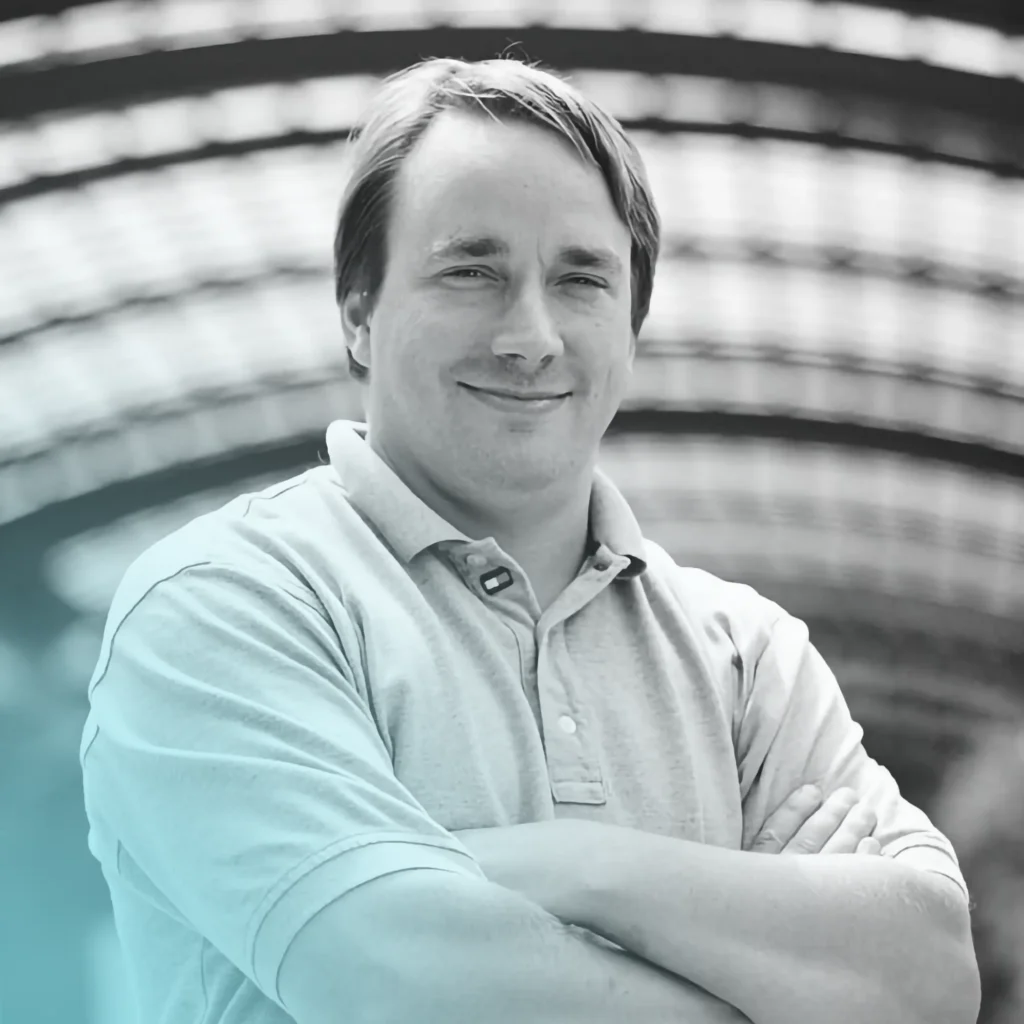
An experiment humanity depends on
Curious about his new PC and its CPU’s capabilities, the 21-year-old Linus Torvalds started experimenting with its multitasking capabilities, largely because a powerful operating system wasn’t available. From there, an accidental tech revolution began, and Linus Torvalds became a beloved tech figure and role model for everyone.
The Research Process
Writing this episode was the hardest so far. The reason for that is the more complex the tech becomes, the harder it is to describe. How operating systems work was never a topic for everyone. You’re either in tech and get it, or not. But what I want to achieve in all my episodes is that tech is not sci-fi or a “not for everyone” thing. Human beings are behind it: they have dreams, they have soulmates, and they have regular lives. That was the hardest part: how can I write the episode where you learn about all the terms, and also be there in the moments and feel all the emotions?
The research process of this episode took a full month. I could not write this episode without these two amazing books: “Just for Fun: The Story of an Accidental Revolutionary” by Linus Torvalds and David Diamond, and “Rebel Code: Linux And The Open Source Revolution” by Glyn Moody and Hirosi Koyama.
Alongside these two books, I watched a ton of interviews and keynotes by Linus Torvalds, Richard Stallman, and Alan Cox, as well as so many events organized by the Linux Foundation, Intel, and many more.
Things mentioned in the episode
Usenet and the MINIX newsgroup are mentioned in the episode. Before we used web browsers to browse the web, or platforms like Reddit and Discord to gather, there was Usenet, where programmers around the world hung out.
When you hear that Richard Stallman worked in MIT’s AI Lab, it is not about building LLMs like what we call ChatGPT, Gemini, and Claude AI. In the MIT AI Lab, they were building expert systems and using languages like LISP to teach computers logic and symbolic reasoning.
Richard Stallman is against calling LLMs like ChatGPT, Gemini, Claude, and DeepSeek “AI.” He argues they are just giant LLM models that know how to predict the next word, without any actual intelligence behind them. AI systems, on the other hand, have logic and reasoning, and everything they do is taught based on real-life expertise.
0: Run the program for any purpose.
1: Study how the program works and change it to do what you want.
2: Share and make copies to help other people.
3: Change the program and share your new version with the public.
In This Episode
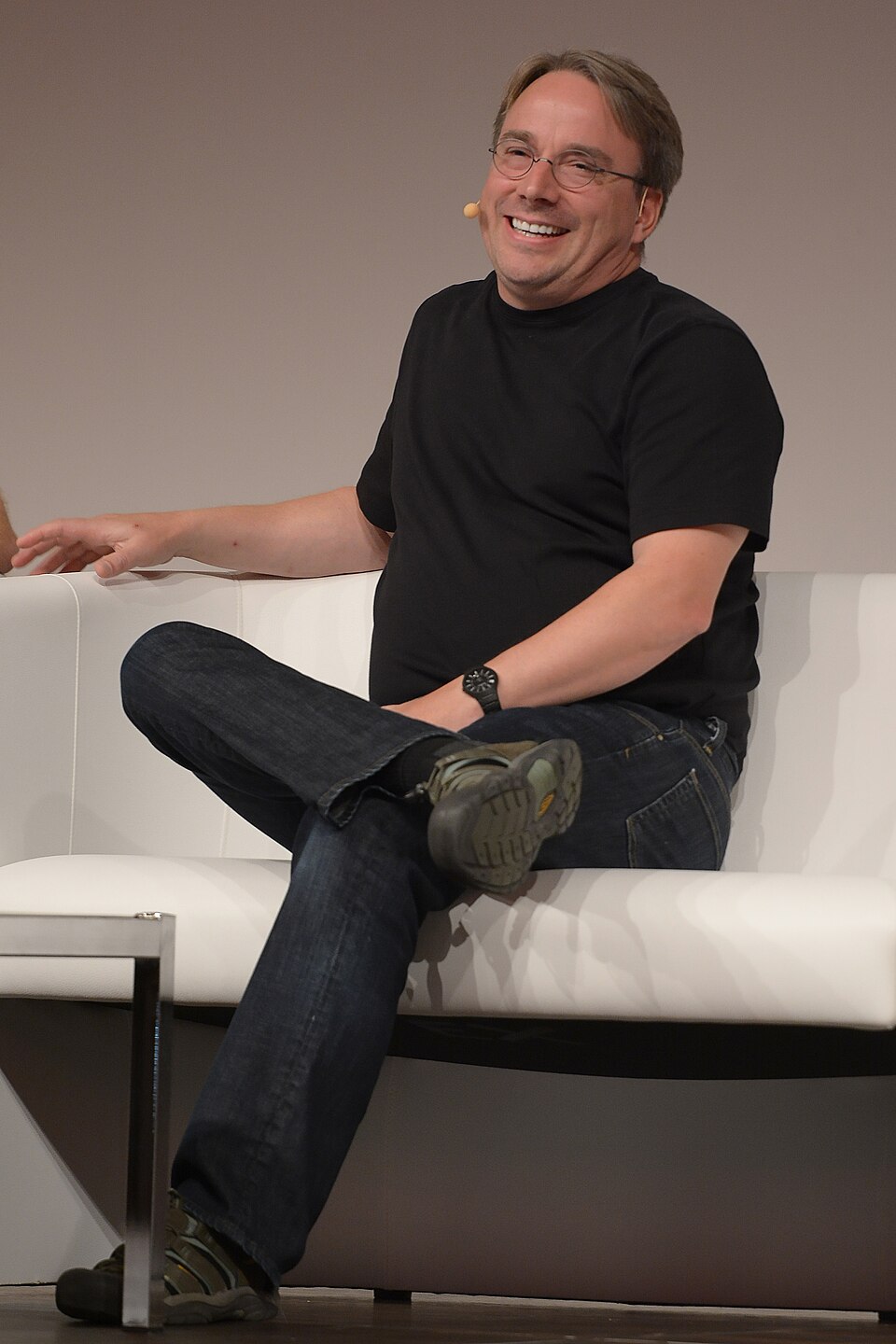
Linus Torvalds
Linux creator.
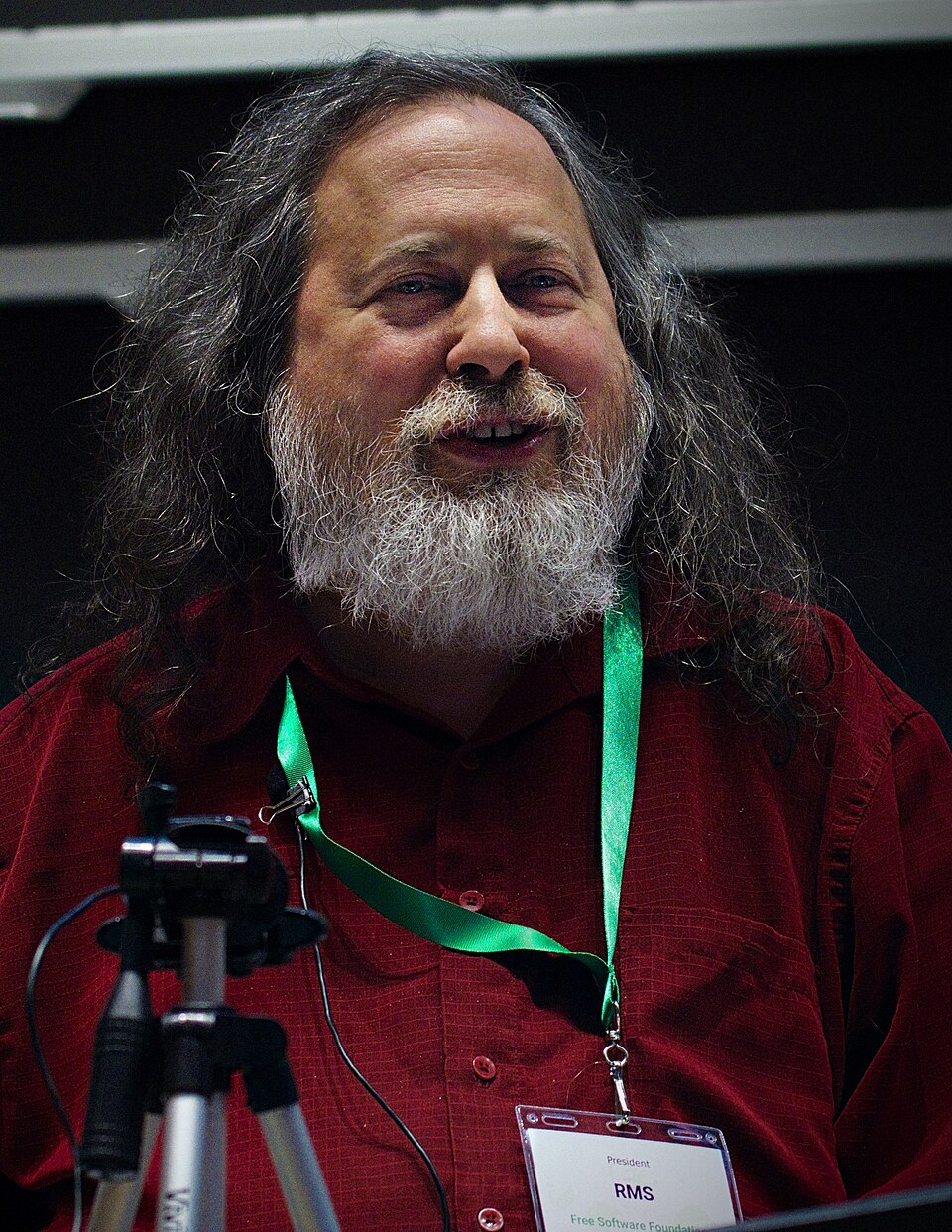
Richard Stallman
GNU creator.
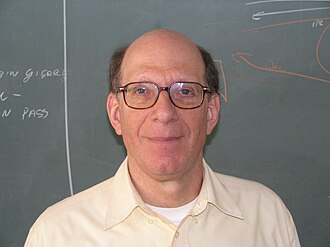
Andrew Tanenbaum
Minix creator.
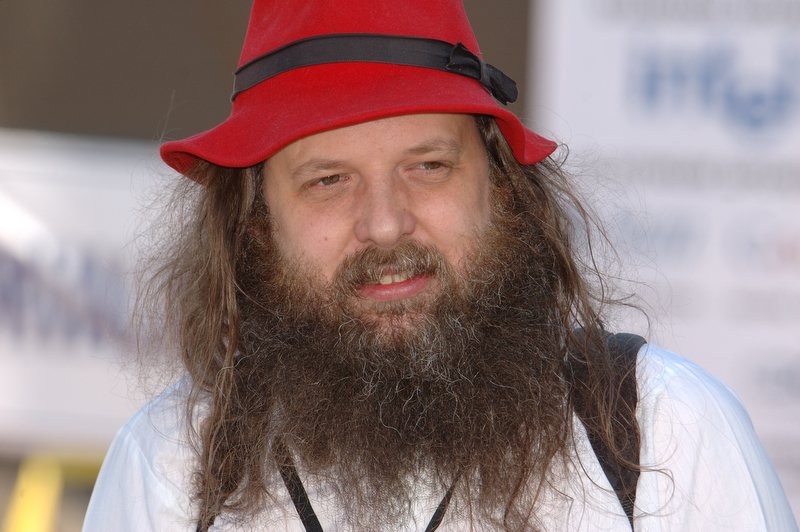
Alan Cox
Networking expert.
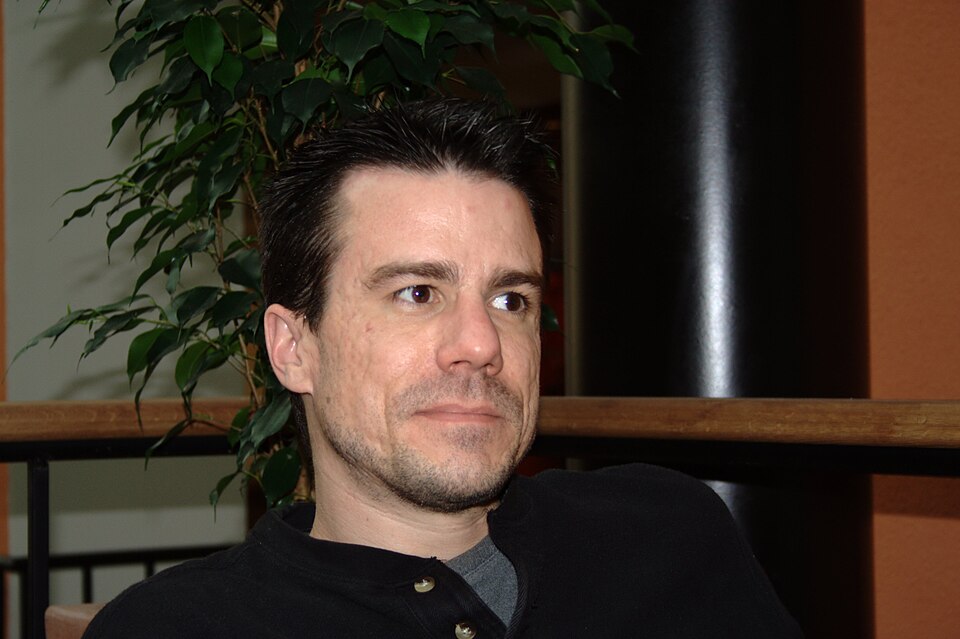
Ian Murdock
Debian creator.
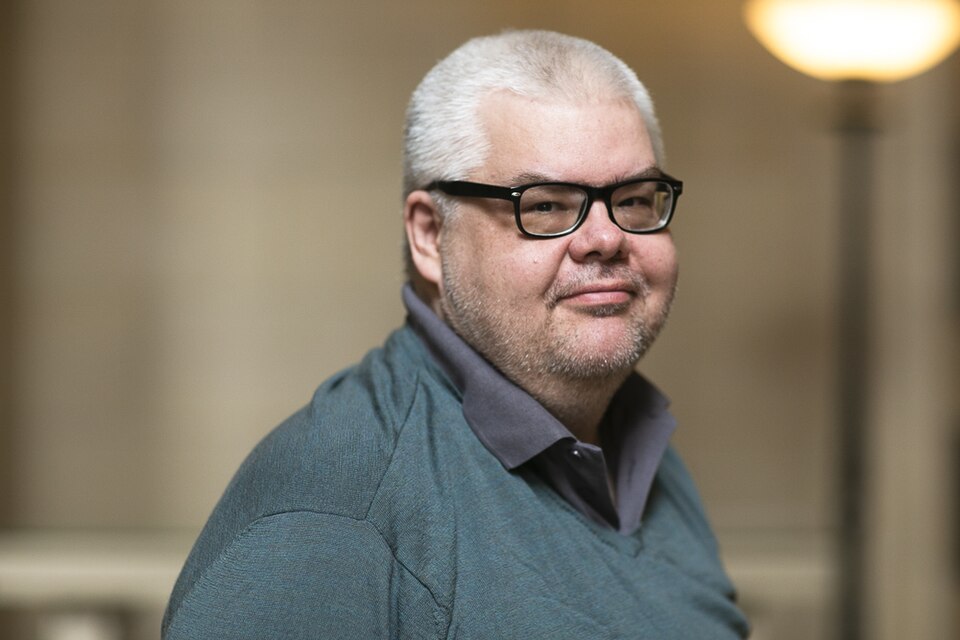
Lars Wirzenius
Linus’s friend.
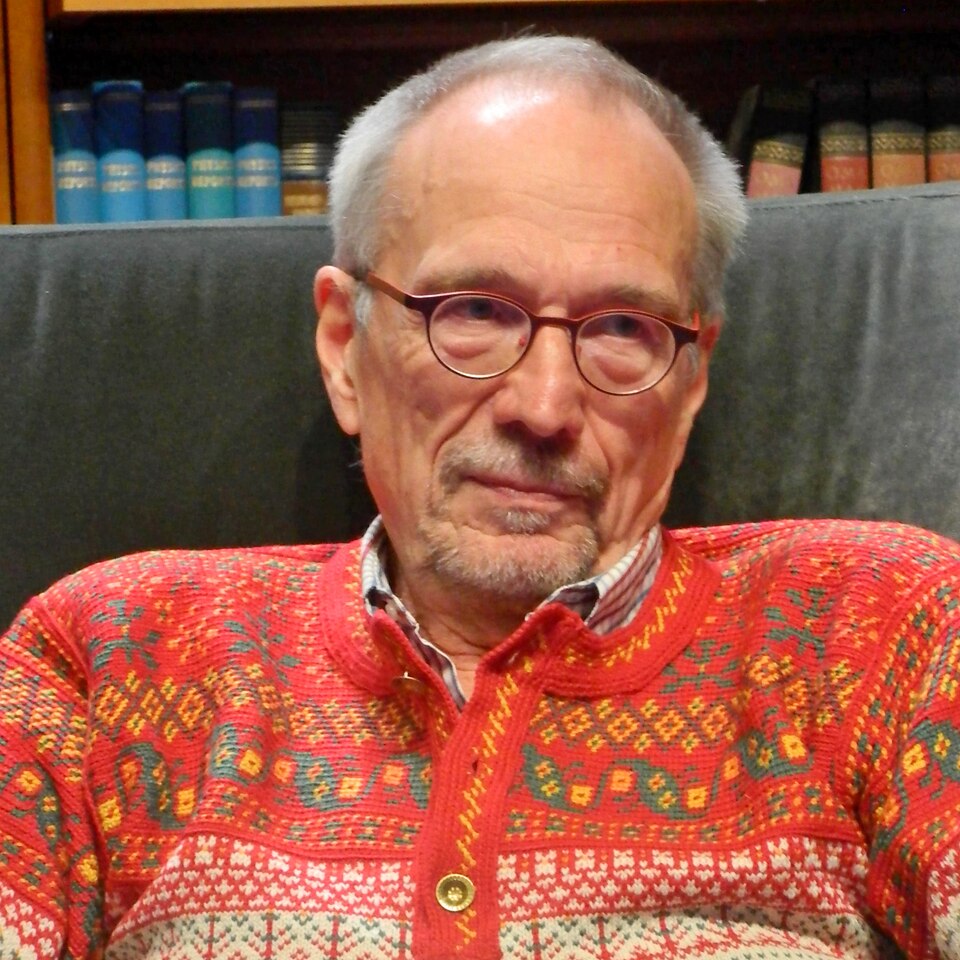
Nils Torvalds
Linus’s father.

Tove Monni
Linus’s partner & karate champion.
Leo Tornqvist
Linus’s grandfather.
Anna Torvalds
Linus’s mother.
Sara Torvalds
Linus’s sister.
Ari Lemke
Teaching Assistant
Bruce Evans
Minix programmer.
Orest Zborowski
Programmer.
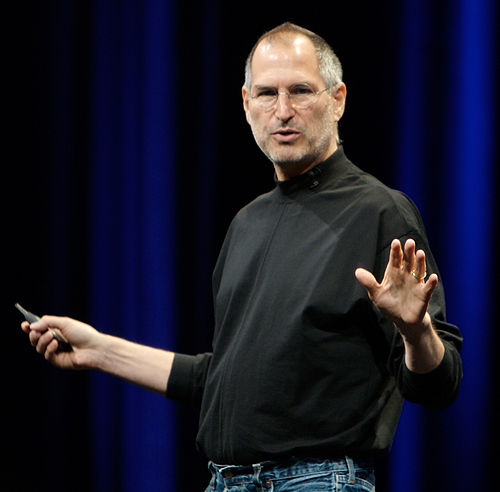
Steve Jobs
Apple founder.
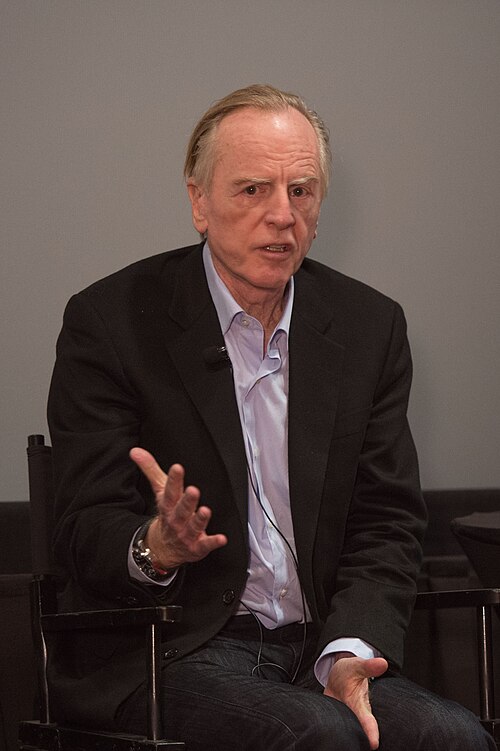
John Sculley
CEO of Apple.
Production
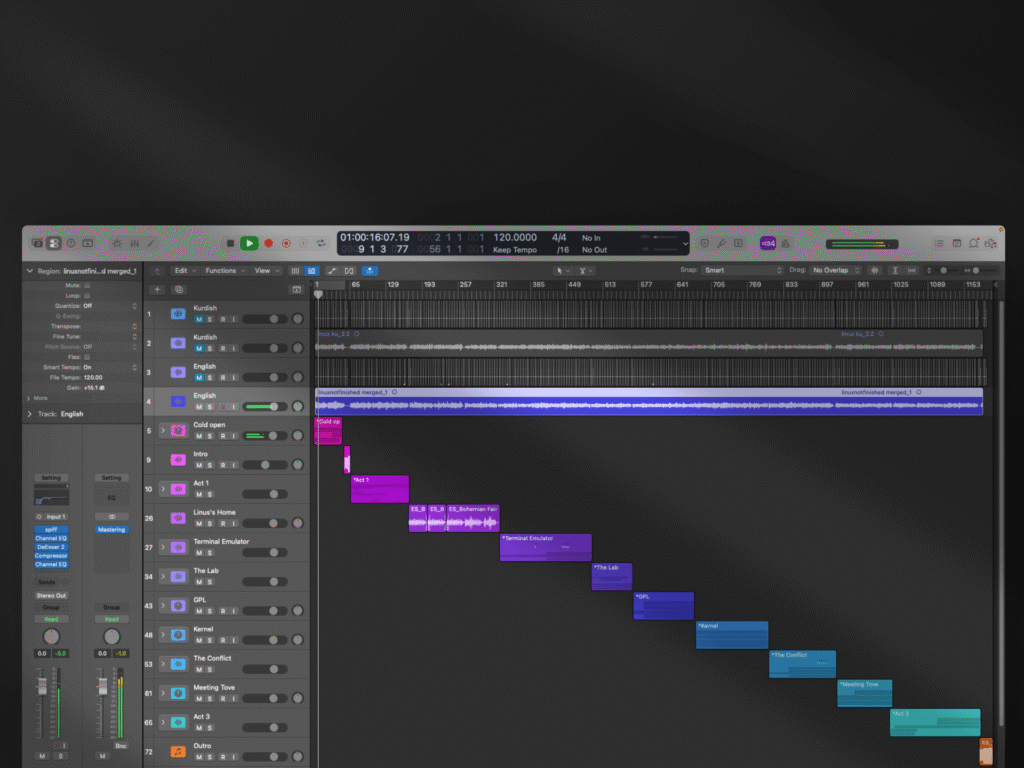
After the writing was completed, the recording session began. This episode was recorded over two days. The first day took around three hours, followed by the second day, which took around two hours. I record in my home studio using an Audio-Technica AT2040 microphone and a Focusrite Scarlett Solo. My DAW of choice is Logic Pro. The episode was recorded, produced, mixed, and mastered entirely within Logic. The project contains 72 tracks.
Transcript
Can humans, without knowing each other, without ever meeting, without a manager, without any salary, build something together? The answer should be no. Every workplace, every organization, is built on the assumption that people work in exchange for something. They need to be managed. They need to be told what to do and supervised. Every business school, every management book, teaches us the rules of how great things get built. But what if we threw all of that away?
Right now, wherever you are, look around you. Something near you is running Linux. Your phone. The website you visited this morning. The last message you sent. The last bank transfer you made. Your car. The devices in your home. You may have never heard of it. You may have never installed it. You may have never known the things that depend on it. But Linux is everywhere. Every place you go. Every place you’ve never been.
This time, we’re going back to January 2nd, 1991. Petersgatan, Helsinki, Finland.
This is the story of making the Linux. I’m Rebeen Sarbast. Come, I’ll take you back.
It’s the first day the shops reopen after the Christmas holiday. Heavy snowfall. Cold weather. Icy streets and children throwing snowballs. Together with Linus Torvalds, we’re heading to buy a computer. Last week, Linus turned 21. When your birthday falls at the end of December, you can combine your birthday and Christmas gifts and do some serious shopping. This isn’t the first computer Linus has used. Thanks to Leo Tornqvist, Linus’s grandfather. Leo was a professor and statistics expert at the University of Helsinki. From childhood, Linus would sit beside his grandfather while he worked on his computer. Today we’re just walking alongside a young man on his way to buy a computer. But let me tell you who Linus is. We all remember that one kid at school who was just naturally gifted at math. Linus Torvalds was that kid. Now he’s studying computer science at the University of Helsinki.
Linus pays part of the cost of the computer. Buying a computer isn’t easy for a university student. The rest he takes on credit and will pay back over several years. Linus wants to install Minix. A Unix variant created by Andrew Tanenbaum. Minix was built for teachers and students. It’s suitable for learning. Although Minix books are available in libraries, the operating system itself isn’t available yet. So Linus orders it. Getting the system took more than a month. Linus says he genuinely felt like six years had passed.
Over the past decade, Apple and Microsoft have been competing to make computers a machine for everyone. Better to say only Microsoft. Because after Steve Jobs left Apple, John Sculley drifted away from that dream in his own way. Linus doesn’t consider installing and using Windows. But the options aren’t exactly plentiful. There are Unix variants available that came from AT&T. As well as the Berkeley Software Distribution, or BSD. Although Linus has decided to install Minix, as we mentioned, Minix was built for educational purposes. Tanenbaum doesn’t allow it to become more powerful. Doesn’t allow features to be added. He also rejects user requests that don’t appeal to him. This keeps Minix from becoming a popular, feature-rich operating system. One that everyone wants to use. Linus and Minix users aren’t happy about this. But is Linus going to do something about it?
Linus is in his second year of university. He lives in a small apartment with his mother, Anna Torvalds, and his little sister Sara Torvalds. Linus has claimed a small room in the apartment. These days he goes from his bed straight to his new computer and back again. There’s a small window. But Linus doesn’t let light in through it. Not that Finland in January has much light to offer anyway. Linus isn’t a social person. He rarely leaves the apartment. But in that cold weather, where would you go? His mother always says with a smile that keeping Linus alive is very easy. All he needs is a dark room and his computer. Sometimes some dry pasta. His sister Sara constantly teases him about having no friends and never leaving the house. In reality, Linus does have friends, especially Lars, who is also a student at the university.
We always hear those stories that have more than one side. The people close to Linus see only one side of the story. But what’s happening inside Linus’s mind? In our lives, tools and machines mean more than the purpose they serve. Who among us couldn’t write a book about the first or most important things we’ve owned? Our grandfather told hundreds of stories about his first car. The day he bought it. The day he drove it to create beautiful memories. But it was always more than just a car. The type of engine. The style of the lights. The year it was made. Maybe our grandfather forgot his own birthday, but he never forgot a single detail of that car. Or our grandmother with her sewing machine. Our tools and machines always mean more than the people around us understand. Or more than we can put into words. It might seem strange to you. But computers mean more than other machines. Only we understand that meaning. Inside our computers there is a processor. A tiny piece of silicon that only understands 0 and 1. Two digits and nothing more. But when you put it to work, a universe of possibilities and a world without limits opens up before you.
Linus’s new computer has an Intel 386 processor. One of the newest processor models, containing 275,000 transistors. But Linus is excited about one particular feature. The processor has multitasking capability. It can perform several tasks at the same time. And this is where Minix’s shortcomings begin. As we mentioned, Minix was built purely for educational purposes. We can’t expect great new features from it. But for Linus, Minix can’t take advantage of the processor’s capabilities. It’s not a big deal. So he starts writing in assembly. Let me quickly tell you what assembly is. A moment ago I told you that the processor only understands 0 and 1. Picture yourself writing only 0s and 1s to make your computer perform an action. That’s why assembly came to exist. One step up. So you can control the hardware without writing 0s and 1s. So Linus writes something remarkable. Right before his eyes, his computer performs two tasks simultaneously. All he wrote was the letters A and B. But this is huge for Linus. Remember, someone as talented as Linus, especially in math, has a great desire to solve problems. Something occupies his mind. He solves it. Then says, what’s the next problem.
It’s now spring 1991. From the results of his experiments, a new idea has come to Linus. He wants to build something new. What we call a terminal emulator. It performs two tasks. The first task is sending input. Whatever he types on the keyboard goes to the modem. The second task is for displaying output that the modem receives from the university’s computer. A modem is a device that connects to a computer and a phone line to send and receive data. This means Linus can now access Usenet. He can participate in newsgroups. This is a big step for Linus. But now we have another problem. Everything Linus can do is read only. For example he can’t download any files to his computer. So he does what we expect. He starts writing a disk driver. This way his terminal emulator can access the computer’s hard disk. But that’s only part of the work. Just having access isn’t enough. Linus also has to write something else. What we call a file system. If he writes that, the terminal emulator can write, read, and organize files.
Several months have passed. It’s now July 3rd, 1991. Linus is the same as before. Sleep. Code. Eat. Code. Sleep. Continuously. Without knowing if it’s day or night. But today he sends an email to the Minix newsgroup. He writes: I’m asking for the POSIX standards because I’m working on a project and I need them. Don’t worry, I’ll easily explain what POSIX is. Imagine you have a Ford car. You get into a Toyota, Honda, or Audi. But you immediately know how to drive it. Why? Because there’s a shared standard for cars. Gas on the right. Brake on the left. Steering wheel to turn. POSIX is the same thing. But for computers. When programs inside your computer want to do something, they have to request it from the operating system in a specific way. POSIX standards tell us how programs should make requests to computers. We waited a while. But no one answered Linus. However, someone at the University of Helsinki understood what was happening. An operating system is underway. Because when a programmer asks for POSIX, that’s the only reason. Now Linus also knows his experiments are no longer just a terminal emulator. So after a month passes, he sends another email. It’s August 25th and Linus writes: Hello everyone who uses Minix. I’m making an operating system. Although it won’t be anything big. I’ve been working on it since April. I want to know what you like or dislike about Minix. Because my operating system also resembles Minix. I think in a few months I’ll have something ready to use. So I want to know what features matter to you.
On September 17th, Linus releases Linux version 0.01. Although he didn’t want to give it that name. Because it sounded too egotistical. Something Linus never wants. But the person who understood what Linus was working on when he asked for POSIX standards, Ari Lemke, decided Linux was the right name. He also set up a subdirectory on the university’s FTP site so Linus could release his system from there. This took Linux out of Linus’s room and made it available to the world. Now for a moment we leave Linus and Finland. We’re going to the United States, to the state of Massachusetts. But we’re going further back, to 1971. We find ourselves alongside a Harvard university student. An 18 year old programmer who has just started working at MIT’s Artificial Intelligence Laboratory. Richard Matthew Stallman.
Richard feels like he’s in heaven. This is a place he never wants to leave. A place where the greatest programmers work. The lab is a place for artificial intelligence research. But here everything came into existence from scratch. For example, one of the things they work on is the Lisp Machine. It’s a hardware system specially built to run the Lisp programming language. In these years, Lisp is the most important language for developing artificial intelligence. There are many reasons Richard Stallman sees this place as the most extraordinary. But sharing is more important than all the other reasons. Here everything is shared. Ideas. Code. Everything is freely available. No one holds onto the knowledge they have for themselves. In reality, humans have advanced science to this level through sharing. The great scientists throughout history have given what they knew without reservation. Now we move toward the early 1980s. The lab had been Richard Stallman’s home and favorite place for nearly 9 years. But the Lisp Machine had become a major project. And when such a successful product is created, people come and think about business. In business, sharing disappears. Instead, projects get locked down and become proprietary software. The success of the lab’s project led to the creation of a company. Symbolics. Before Richard Stallman’s eyes, one after another, his friends leave the heaven of the lab. They turn toward the dream of commercializing the products. After some time, the lab was left with no one.
It’s now February 1989. Richard Stallman introduces the GPL. But let me tell you how Richard Stallman spent the past 9 years. When all the engineers and programmers left the lab, Stallman dedicated two years to recreating all of Symbolics’ features so the university lab system wouldn’t fall behind. He continued until September 1983. But it became clear to him that what he was doing wasn’t enough. A bigger step needed to be taken for software freedom. So he decided to create the GNU project. A free operating system built from scratch. In January 1984 he also left his job so he could work full-time on it. Stallman loves giving his projects unique names. Sometimes with double meanings. For example, GNU is the name of an animal, but it’s also a recursive acronym that means GNU is Not Unix. Stallman started GNU to build an operating system like Unix. Like Unix. But he even refused to look at a single line of Unix code. To make sure everything was original. Stallman began writing one by one the pieces needed to build the operating system. Either he tried to bring an existing project alongside GNU. Or when that effort didn’t work out, he wrote everything himself from scratch. In 1985 he announced GNU Emacs. The most famous text editor. Then GCC, the GNU Compiler Collection. The most powerful C language compiler. Alongside other big projects needed for the operating system.
But Stallman knew a bigger step was still needed. Just building a free operating system wasn’t enough. That freedom had to be secured. Rights had to be protected. The love and freedom that existed in the lab had to become a culture. So in 1985 he announced the Free Software Foundation. An organization to gather financial support and protect the free software movement. And now we’ve come back to February 1989. The GPL was introduced. Any programmer can give this to their software. The GPL provides four freedoms. It tells you: use the software however you want. Modify it. Distribute it. Or distribute your own modifications. But you can never lock down the source. You can never restrict your own modifications. Richard Stallman is now 36 years old. Although he spent all those years programming and sharing his work, the past 9 years are beyond description. Programming without stopping. Eating. Sleeping. Programming again.
It’s now early 1992. We’re back in Finland and Linus’s room. When last year Linus released version 0.01, he wrote his own license for it. The license was simple and straightforward. It said distributing Linux for a fee is completely forbidden. Every programmer fears the arrival of big companies. They come and take your product. Put a price on it and waste all your exhaustion. Now version 0.12 of Linux is ready for release. But a new copyright comes with it. Linus decides to release Linux under the GPL. What made Linus make that decision? The most common way to get Linux was on floppy disks. But when you put Linux on floppy disks you had to at least charge for the disks. But Linus’s license didn’t allow that. It also became clear to Linus that locking Linux away from companies wasn’t the right approach. It could slow down development. But the GPL doesn’t block companies. It only prevents them from closing the source. There’s something else too. Linus couldn’t have built Linux without Richard Stallman’s tools. Especially the GCC compiler. So building Linux with those tools and then giving it a different license didn’t feel like the right decision. But let’s not forget. Linus isn’t as deeply under the influence of the GNU philosophy as Richard Stallman. He read the license and thought it was appropriate. That’s all.
Remember that in the early 1980s Richard Stallman decided to build a free and powerful operating system? Stallman succeeded at every step. He prepared everything needed to build an operating system. Only one thing remained. Actually something very important. Without it an operating system can’t be built. We mean the kernel. Let me tell you what a kernel is and why it matters. Imagine a restaurant in your mind. Your computer’s hardware, the processor, memory, hard disk, are like the kitchen, plates, spoons, and ingredients. The programs inside your computer are the customers in the restaurant. Now imagine letting your customers go into the kitchen themselves. All together. Preparing their own food. What would happen? Fires would break out. Ingredients would disappear. Things would break. So the restaurant manager steps forward. Coming between the kitchen and the customers. Now customers can’t go into the kitchen and touch anything. Instead whenever they have a request, they tell the restaurant manager. The manager takes the request to the kitchen. Who’s available? Which oven is free? Which ingredient is needed? Fulfills the request and brings it back to the customer. What we described is the kernel’s job. Richard Stallman is busy building the kernel. Which will become the final piece of his system and the realization of his dream. Stallman’s kernel work is complex and keeps falling behind. Month after month. Year after year. But then the Linux kernel arrived. And with it, GNU’s dream was realized. A free and powerful operating system. Made available for use.
In the past four months, Linux has reached many places in the world. Users notify Linus of bugs. They request new features. Linux is no longer just Linus’s personal project. Others, from different places, people Linus has never even met, are contributing to his work. But some people aren’t happy with what’s happening. Specifically Andrew Tanenbaum, the creator of Minix. Let’s step back from whether he likes Linux or not. The only newsgroup being used for Linux news and discussion is the Minix newsgroup. That alone could make him angry.
It’s January 29th, 1992. Tanenbaum has sent a message to the Minix newsgroup. In the subject line he’s written: Linux is obsolete. Then he says: In the past few weeks I was in the United States, so I haven’t commented about Linux. Though I think even if I was here I wouldn’t have written anything. As you know I’m only working on Minix for fun. Something I do in the evenings when I’m tired of writing books. Or when no wars or revolutions are happening in the world. My real work is being a professor and researcher in the field of operating systems. Tanenbaum continues his message. But he wants to say that monolithic kernels like Linux are outdated and have failed. The future belongs to microkernels. Like Minix. Where most of the operating system’s functions are performed by separate processes. Different from a monolithic kernel where the entire operating system is executed by the kernel.
In reality we don’t know how Tanenbaum wrote his message. Because when we read a message, we create our own interpretation of the style and tone of voice. So we don’t know if Tanenbaum is angry, wrote it jokingly, or if it’s just a normal message expressing his opinion. But let’s put ourselves in Linus’s place. Remember, it’s just been a year since he bought his new computer. A year has passed and Linus has released a free operating system. Remember that he did all of this entirely by himself. We wouldn’t be happy with a message like that either. So Linus responds to Tanenbaum. He says everything you’ve written is excuses and that’s why you lose. I have more excuses than you. On top of that, Linux is more powerful than Minix in almost all areas. Let’s not forget, most of the good code in Minix was written by Bruce Evans, not you. You’re only working on Minix for fun. But look who’s making money from Minix. And who gives Linux away for free. If it’s for fun and enjoyment, then release Minix for free. Linux is also for fun. But I take it seriously. In reality Linus wrote a much longer message than this. Responding to Tanenbaum. How and why his criticisms are misplaced and wrong.
From here, Linux crosses borders at an extraordinary speed. Users are no longer just testing it for fun. No longer just sending bugs and feature requests to Linus. Companies are now taking it seriously. Hundreds of programmers are actively writing patches. From this Linus realizes that reviewing the code line by line is no longer possible. So he decides to hand subsystems over to those who are expert and skilled in those areas. For example, networking is handed to Alan Cox. From here Linus only makes the final decision. What’s appropriate? What’s the best choice? Linus believes the best way to lead is to let people do what they want to do. Not what you want them to do. He believes great leaders know they’re wrong. And they let others make decisions on their behalf.
During these same years, other things happened too. For example, Orest Zborowski ported X11 to Linux. This means Linux now supports a graphical interface. Not just a black screen for writing commands. But another important thing happens in 1993. For example, Ian Murdock announced the Debian distribution. Distributions started from a practical need. They’re an important step for Linux. Because they made it possible for everyone to install it. Previously, installing Linux for non-technical people was close to impossible. You had to gather and configure every single piece manually. But distributions came to present all of Linux’s parts in one package. Because now programmers and users from all over the world are turning to Linux, it doesn’t matter what time it is. Continuously, everyone is participating in its development.
It’s now autumn 1993. A test email changes Linus’s life. A new season begins. Linus is now a teaching assistant at the University of Helsinki. He teaches computer classes to a group of students. As homework he asks them to send him an email. But one student’s email is different. Tove Monni has asked Linus out on a date. Tove is a preschool teacher and six-time Finnish karate champion. From here a love story begins. A few months pass. Linus and his cat Randi move into Tove’s apartment.
March 14th, 1994. The audience has gathered in the hall of the Computer Science department at the University of Helsinki. Today Linux version 1.0 is being released. Version 1.0 is a turning point in software releases. Because that number sends an important message. It means Linux is complete and ready. No longer just for fun and testing. Although Linus thinks it’s fine to just notify users with an email. But everyone tells him not to do that. Journalists and television crews are ready to cover the event. This is also a great source of pride for the University of Helsinki. So they happily offered their hall. His mother and father are also present. Today is the first time his father and Tove meet each other. Linus’s closest friend Lars played a major role in organizing the event. So Linus steps up onto the stage and begins his presentation.
Today we’ve gone back 35 years. Linux is now the backbone of everything humanity depends on. When we went back to the early days of 1991, we were alongside Linus Torvalds. Alone in his room. Today, thousands of people annually participate in its development.
Every single one of the world’s 500 supercomputers runs on it. Cloud providers and nearly all of the internet’s infrastructure rely on it. It’s in the pockets of 3.9 billion people through Android, and inside almost every smart device in our homes.
NASA’s Ingenuity helicopter sent to Mars depended on it. The first helicopter to fly on another planet was built to operate for 30 days, but it worked for three years and flew 72 times. And let’s not forget SpaceX’s Starlink, where tens of thousands of computers running the operating system orbit the Earth. Even modern cars built their tech on it. It is in the sky, on distant planets, and in the oceans. It runs planes, airports, trains, and banks.
By every measure, isn’t today’s story impossible? A project that started in the bedroom of a 21-year-old and has now reached here? Linus Torvalds showed all of humanity what open source and working together can achieve. How to become a great leader. All of that by providing freedom. Forever and without limits. Linus Torvalds could have become the richest man in the world. But he refused. However you think about it, it’s impossible for your heart not to be full.
Two people. From two different places in the world. Linus Torvalds and Richard Stallman. They gave us GNU/Linux. But what they did is more than that. Richard Stallman’s heart broke when his friends left the lab. But he rose up stronger. He resolved that never again should any human being feel left behind. Never again should someone be excluded and left alone. Many people think the GPL is anti-commercial. But that’s never been true. The GPL makes way for amazing products to be built and provides great income. The GPL is against locking away freedom. Against leaving people behind. Anywhere in the world, contribute to any project powered by the GPL and you immediately become part of its community. Everyone takes your hand and welcomes you with love. So you’re never left alone. You never lose your freedoms. Richard Stallman brought an extraordinary dream to life. And Linus Torvalds made it real.
Come, I’ll Take You Back is written and produced by Rebeen Sarbast. Thank you for listening. Until next time.
Rights and Credits
Everything in the episode is either original or I have the right to use it. This includes sound effects, music, and all other materials.
Episode artwork contains “NewTux” by gg3po (based on original work by Larry Ewing) via Wikimedia Commons, licensed under GNU GPL v2+.
Linus Torvalds (2002): Linus Torvalds. Original photo via Linuxmag.com (Unknown author), modified with a desaturation filter and a gradient color overlay in the bottom left corner. Licensed under CC BY-SA 3.0.
Linus Torvalds (2014): Linus Torvalds speaking at LinuxCon Europe 2014. Original photo by Krd, modified with a black and white filter. Licensed under CC BY-SA 3.0.
Richard Stallman (2019): Richard Stallman speaking at LibrePlanet 2019. Original photo by Ruben Rodriguez, modified with a black and white filter. Licensed under CC BY 4.0.
Andrew S. Tanenbaum (2006): Andrew S. Tanenbaum. Original photo by GerardM, modified with a black and white filter. Licensed under CC BY 2.5.
Alan Cox: Alan Cox speaking at FOSS. Original photo by TariqueSani, modified with a black and white filter. Licensed under CC BY-SA 2.5.
Ian Murdock (2008): Ian Murdock during an interview at the Holiday Club hotel. Original photo by Ilya Schurov, modified with a black and white filter. Licensed under CC BY-SA 2.0.
Lars Wirzenius (2019): Lars Wirzenius in January 2019. Original photo by Myleen Hollero / Wikimedia Foundation, modified with a black and white filter. Licensed under CC BY-SA 3.0.
Nils Torvalds (2017): Nils Torvalds in February 2017. Original photo by Paasikivi, modified with a black and white filter. Licensed under CC BY-SA 4.0.
Steve Jobs (2007): Jobs at the Apple Worldwide Developers Conference (2007). Original photo by Ben Stanfield, modified with black and white filter. Licensed under CC BY-SA 2.0.
John Sculley: “John Sculley III” by Judae1 via Wikimedia Commons. Modified with black and white filter. Licensed under CC BY-SA 3.0.